

Table of Contents
- What Makes Sustainable Clothing Brands Stand Out
- How to Identify High-Quality Clothing That Lasts
- Durable Sustainable Fabrics Guide: Materials That Endure
- Top Sustainable Clothing Brands for Longevity
- How to Care for Sustainable Clothing to Maximize Lifespan
- Cost-Per-Wear: Why Investing in Quality Pays Off
- Repair, Resale, and End-of-Life Options
- Conclusion
Last Updated: August 22, 2026
What Makes Sustainable Clothing Brands Stand Out
Real sustainable clothing brands don't just talk about environmental responsibility, they measure it, report it, and back it up with certifications and transparent supply chains. They commit to reducing their environmental footprint across the entire production cycle, from raw material sourcing through manufacturing to end-of-life options. This means prioritizing low-impact fibers like organic cotton, hemp, and recycled materials, minimizing water usage and chemical pollution, and ensuring fair wages and safe working conditions for factory workers.
What separates leaders from the rest is their willingness to share uncomfortable truths. They disclose supply chains, report emissions data, and offer repair or take-back programs. When you buy a piece designed to last five years instead of five months, you're reducing total waste and lowering your cost-per-wear. That's the real sustainability story.
How to Identify High-Quality Clothing That Lasts
High-quality clothing comes down to three things: material choice, construction method, and design intention. Before buying, inspect the seams, check the fabric weight, and read the fiber content tag.
Feel the fabric. Quality materials have substance and don't feel thin or flimsy. Organic cotton should feel soft but substantial. Linen should have slight texture and weight. Wool should be soft without being slippery. Run your fingers along the seams, tight, even stitches spaced closely together indicate quality construction. Loose, uneven stitches are red flags.
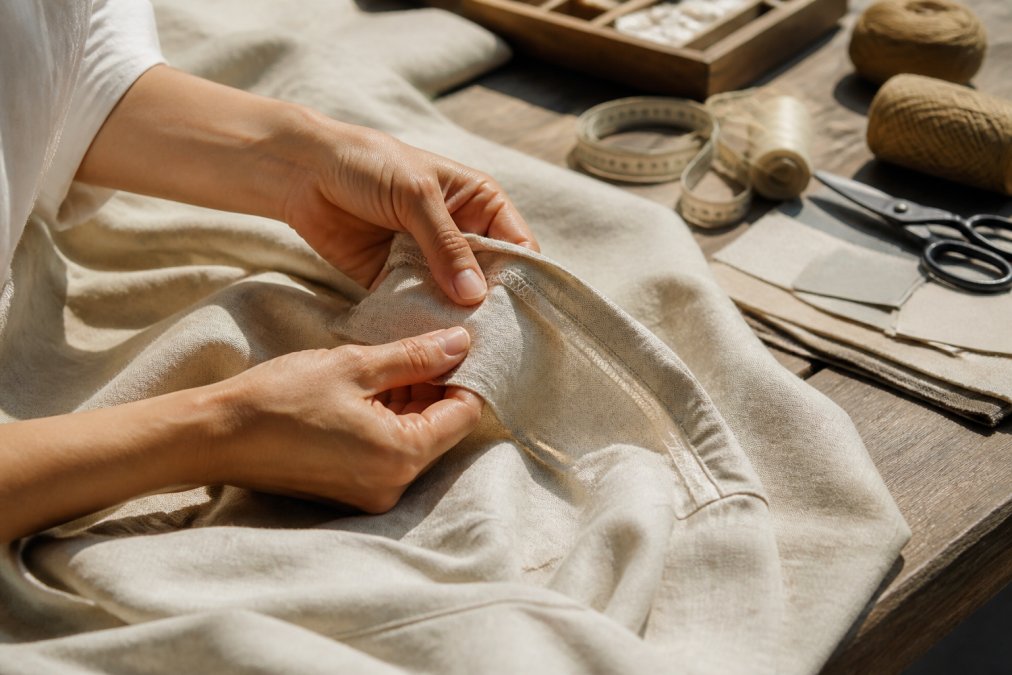
Check the fiber content label. Pure materials or high percentages of natural fibers (above 80%) perform better than heavily blended synthetics. Look for reinforced stress points at pocket seams, armholes, and waistbands, these indicate the designer anticipated wear and built durability into construction.
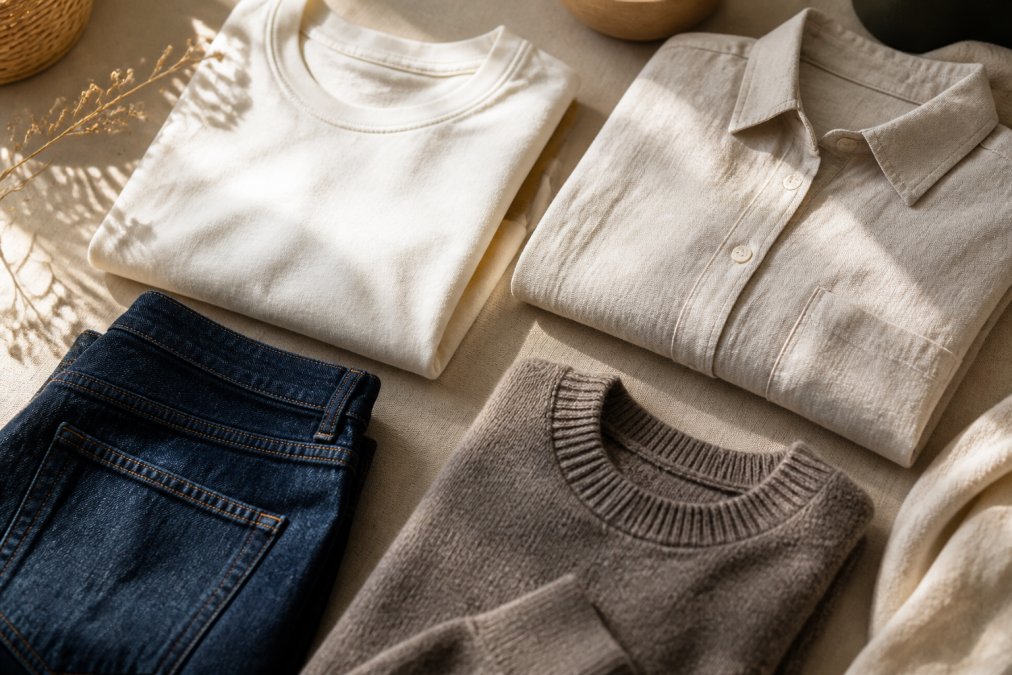
Consider the design. Timeless cuts outlast trends. A well-fitting basic tee or classic button-up in a neutral color stays relevant for years. Pieces with excessive embellishments, trendy cuts, or seasonal colors have shorter lifespans. The best sustainable clothing brands create pieces that will look good and fit well years from now.
Durable Sustainable Fabrics Guide: Materials That Endure
Organic cotton, when properly constructed, lasts for years and softens with washing rather than breaking down (peer-reviewed research). Hemp is even more durable, naturally stronger than cotton and gets softer with age (peer-reviewed research). Linen is exceptionally long-lasting and improves with washing.
Recycled polyester and recycled nylon offer durability with lower environmental footprint than virgin synthetics, though they can shed microfibers during washing. Regenerated fibers like Tencel and Cupro come from sustainably managed wood sources and break down naturally at end-of-life.
Responsible wool and regenerative wool are among the most durable natural fibers available. Wool is naturally antimicrobial, meaning garments need less frequent washing, and it's incredibly resilient (peer-reviewed research). Deadstock fabrics, surplus materials from other production runs, reduce textile waste while creating durable garments.
Avoid blends that mix natural and synthetic fibers in ways that prevent recycling. Prioritize garments made from single-fiber materials or blends specifically designed for recyclability. The leading sustainable clothing brands are transparent about their fiber choices and why they selected each material.
Top Sustainable Clothing Brands for Longevity
Finding the best sustainable clothing brands means looking beyond marketing claims to actual practices. Each brand below shares one principle: creating pieces designed to last.
Patagonia: Durability Meets Environmental Commitment
Patagonia has built its reputation on making gear that lasts. They use organic cotton, recycled materials, and responsibly sourced wool, and have publicly committed to eliminating virgin petroleum materials by 2025. Their Worn Wear program encourages customers to repair, resell, or recycle used gear, keeping clothing in use longer and out of landfills.
The brand donates 1% of sales to environmental causes, and their supply chain transparency is exceptional. You can trace where your garment was made and understand its production impact. Patagonia's pricing reflects quality, pieces are designed to outlast cheaper alternatives by years. For outdoor enthusiasts and anyone seeking truly durable basics, Patagonia represents the gold standard.
Reformation: Circular Fashion and Transparent Impact
Reformation has made circular fashion central to their brand identity. Their RefRecycling program allows customers to send in old pieces for recycling, and they're committed to 100% recycled, regenerative, or renewable materials by 2025. They use high percentages of low-impact fibers, including recycled cotton and deadstock materials.
Their RefScale tool shows customers the carbon and water footprint of each product, enabling informed purchasing decisions. Reformation's designs lean toward timeless silhouettes with vintage-inspired aesthetics that don't feel dated. They offer carbon-neutral shipping and ensure fair labor practices. While mid-to-premium priced, the focus on durability and circular design makes each piece worthwhile.
Eileen Fisher: Timeless Design and Take-Back Programs
Eileen Fisher epitomizes timeless design, creating sophisticated pieces that transcend seasonal trends. They use low-impact fibers like organic linen, regenerative wool, and deadstock materials. The Renew program allows customers to return old pieces for resale or recycling, keeping clothing in circulation longer.
The brand's repair program extends garment life further. Eileen Fisher has set ambitious emissions reduction targets for 2025. Their pieces are premium-priced, but the timeless aesthetic means they'll look current for years. If you're seeking sophisticated, investment-worthy basics for a decade-long wardrobe, Eileen Fisher delivers.

Everlane: Transparent Pricing and Quality Basics
Everlane's radical transparency shows exactly what your clothing costs to produce, material, labor, and transportation costs with transparent markup. This builds trust and helps you understand value. The brand focuses on quality basics designed to last through years of wear.
Everlane is committed to eliminating virgin plastics from their supply chain by 2025 and conducts in-person factory visits with third-party audits. Their pricing is significantly lower than luxury brands but higher than fast fashion, reflecting construction quality. For building a durable, sustainable wardrobe on a moderate budget, Everlane offers excellent value.
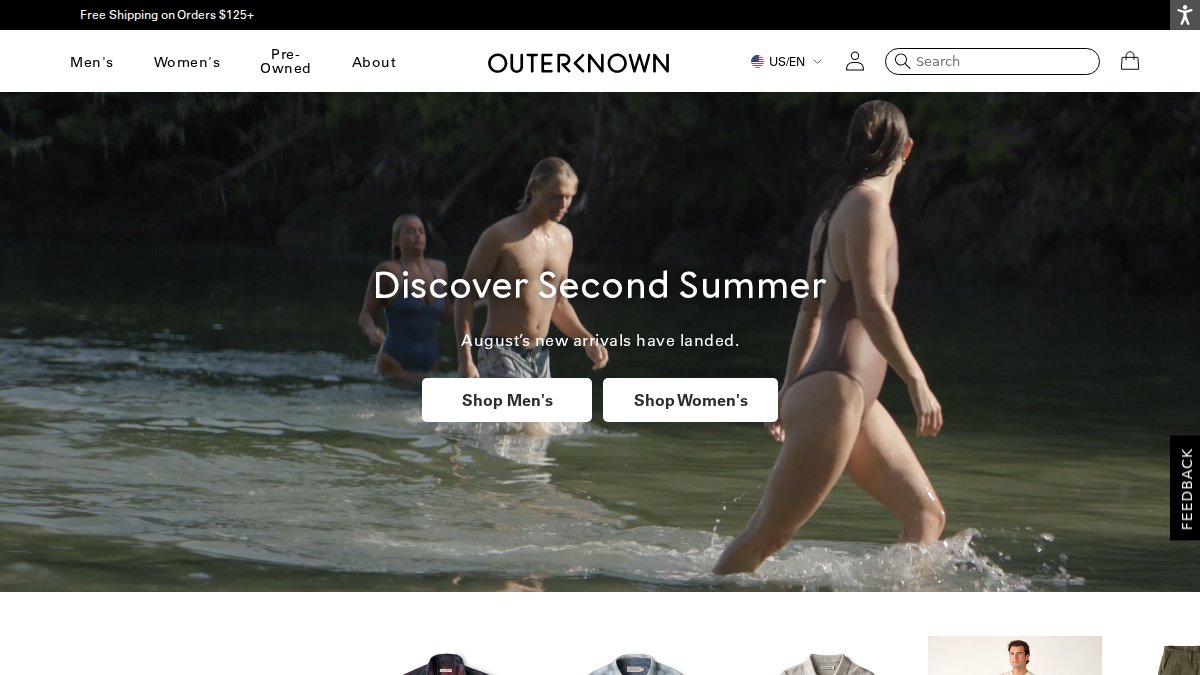
Outerknown: Certified Sustainability and Repair Programs
Outerknown, founded by surfer Kelly Slater, uses over 90% organic, recycled, or regenerated materials. They're B Corp Certified, Fair Labor Association certified, and Fair Trade USA certified, multiple third-party validations of their commitments.
They're committed to full circularity by 2030, offering resale programs and warranties on select items. Their repair services extend garment life. If you want certified, verifiable sustainability backed by independent audits, Outerknown delivers.
How to Care for Sustainable Clothing to Maximize Lifespan
Buying sustainable clothing is only half the equation. Proper care determines whether garments last three years or ten.
Wash less frequently. Most garments don't need washing after every wear. Spot-clean stains, air out pieces between wears, and wash only when necessary. When you do wash, use cold water and gentle cycles. Turn garments inside out to minimize pilling and fading.
Dry carefully. Avoid the dryer whenever possible, heat damages fibers and causes shrinkage. Air-dry on a flat surface or hanging, away from direct sunlight. For wool and delicate materials, lay flat to dry.
Address damage immediately. A small hole or loose seam can become a major problem if left unattended. Learn basic sewing skills or find a local tailor. Many sustainable clothing brands offer repair services or guidance.
Cost-Per-Wear: Why Investing in Quality Pays Off
Cost-per-wear transforms how you think about sustainable clothing brands. A $200 shirt lasting eight years costs $25 per year, or about 7 cents per wear if worn twice weekly. A $30 fast fashion shirt lasting one year costs $30 per year, or about 8 cents per wear. The premium piece is cheaper long-term and doesn't contribute to textile waste.
Calculate cost-per-wear for pieces you own. That $15 t-shirt worn twice before pilling? It cost $7.50 per wear. The $80 jeans worn 200 times over five years? They cost 40 cents per wear. This reveals why investing in quality sustainable clothing makes financial sense.
When you buy from the best sustainable clothing brands, you're buying pieces designed for multiple years of wear. You'll reach for them repeatedly because they fit well, look good, and hold up. This high wearing frequency dramatically lowers cost-per-wear.
Repair, Resale, and End-of-Life Options
The most sustainable clothing stays in use. Before discarding a garment, explore repair, resale, and recycling options. Many sustainable clothing brands offer repair services, Patagonia's Worn Wear, Eileen Fisher's repair service, and Outerknown's warranty programs all extend garment life. Learning basic repairs yourself can add years to a piece's lifespan.
Resale platforms like Depop, Vestiaire Collective, and Poshmark give clothing a second life while putting money back in your pocket. High-quality pieces from reputable sustainable clothing brands hold value well on resale markets.
For end-of-life, textile recycling programs are expanding. Some sustainable clothing brands accept used garments for recycling. Check with individual brands about take-back programs. Donating to thrift stores is also viable, though lower priority than repair and resale.
Investing in sustainable clothing brands isn't just about environmental impact, it's about building a wardrobe that works for you. When you choose pieces designed for durability and style longevity, you're investing in clothing that will support your life for years. ETHOS CONCEPT understands this approach, offering bold streetstyle pieces and affordable fashion that help individuality through quality craftsmanship. Explore collections that combine elegance with modern trends, and discover how thoughtful investment in your wardrobe translates to both personal style and environmental responsibility. With free shipping on orders over $150, building a sustainable wardrobe has never been more accessible.
Frequently Asked Questions
What makes clothing sustainable and long-lasting?
Sustainable clothing combines durable construction with responsible material sourcing and ethical production. Long-lasting pieces use high-quality fabrics like organic cotton, hemp, and recycled polyester, feature reinforced seams, and come from brands committed to fair labor practices. The slow fashion movement emphasizes timeless design over fleeting trends, reducing the need for frequent replacement. Certifications like Fair Trade and GOTS indicate adherence to environmental and social standards.
How can you tell if a sustainable clothing brand is truly legitimate?
Look for third-party certifications such as Fair Trade USA, B Corp certification, and GOTS (Global Organic Textile Standard). Transparent brands disclose their supply chain, factory locations, and environmental impact. Check if they offer repair programs, take-back initiatives, or resale platforms, these indicate commitment to circular fashion. Review their sustainability reports and verify claims through independent sources rather than relying on marketing language alone.
What are the most durable sustainable fabrics for long-lasting wear?
Organic cotton, hemp, linen, and responsible wool are among the most durable natural fibers. Recycled polyester and Tencel offer durability with lower environmental impact. Hemp fiber is particularly strong and becomes softer with washing. Deadstock fabrics reduce waste while maintaining quality. Look for long-staple cotton varieties, which create stronger, more resilient garments. Avoid blended synthetic fabrics when possible, as they're difficult to recycle and may shed microplastics.
Is the higher price of sustainable clothing brands worth the investment?
Yes, when calculated by cost-per-wear. A $150 dress worn 100 times costs $1.50 per wear; a $50 fast-fashion alternative worn 10 times costs $5 per wear. Sustainable brands use quality craftsmanship and durable materials that withstand years of use. Many offer repair programs and resale options, extending garment life further. Beyond economics, you're supporting ethical labor practices, reducing environmental impact, and building a capsule wardrobe of timeless pieces that don't require constant replacement.
This article was written using GrandRanker