

Table of Contents
- What Defines a True Limited Edition Fashion Piece
- The Psychology of Scarcity and Urgency in Fashion
- Craftsmanship and Quality: The Core of Fashion Investment
- Understanding Fashion Resale Market Trends
- Selecting Investment Pieces for Women That Hold Value
- How to Authenticate Luxury Fashion Before You Buy
- The Real Risks: Hype Cycle Crashes and Storage
- Conclusion: A Balanced View on Limited Edition Fashion
- Frequently Asked Questions
Last Updated: September 6, 2026
Limited edition fashion sits at the intersection of art, identity, and asset management. While most shoppers see a beautiful garment, a growing segment of buyers recognizes a tangible investment with the potential to appreciate. Understanding why to invest requires looking beyond the runway into supply, demand, and long-term value. At ETHOS CONCEPT, we curate collections that balance everyday wearability with sophisticated style.
A true limited edition piece is more than a fleeting trend; it represents a deliberate reduction in production volume, creating inherent scarcity that drives desirability. This guide breaks down the real benefits, hidden risks, and practical strategies for smart purchases.
What Defines a True Limited Edition Fashion Piece
A true limited edition fashion piece is a garment produced in a fixed, often numbered quantity, designed to never be reproduced. This finite production run is the core differentiator from regular seasonal stock, which retailers can reorder. The scarcity is intentional, creating a closed market where the item's availability is sealed from the moment it sells out.
Several markers distinguish a genuine limited run from clever marketing:
- Numbered labels or certificates of authenticity confirming the piece's place in the production run
- Specific production volume disclosures from the brand, even if approximate
- Unique design elements or materials not used in the mainline collection
- A defined sales window with no restocking planned
This is where the concept of rarity meets brand equity. A piece from a designer's archival collection or a special collaboration carries a heritage that mass-produced items lack. For women seeking to express individuality, owning a piece that few others possess is a powerful statement.
The Psychology of Scarcity and Urgency in Fashion
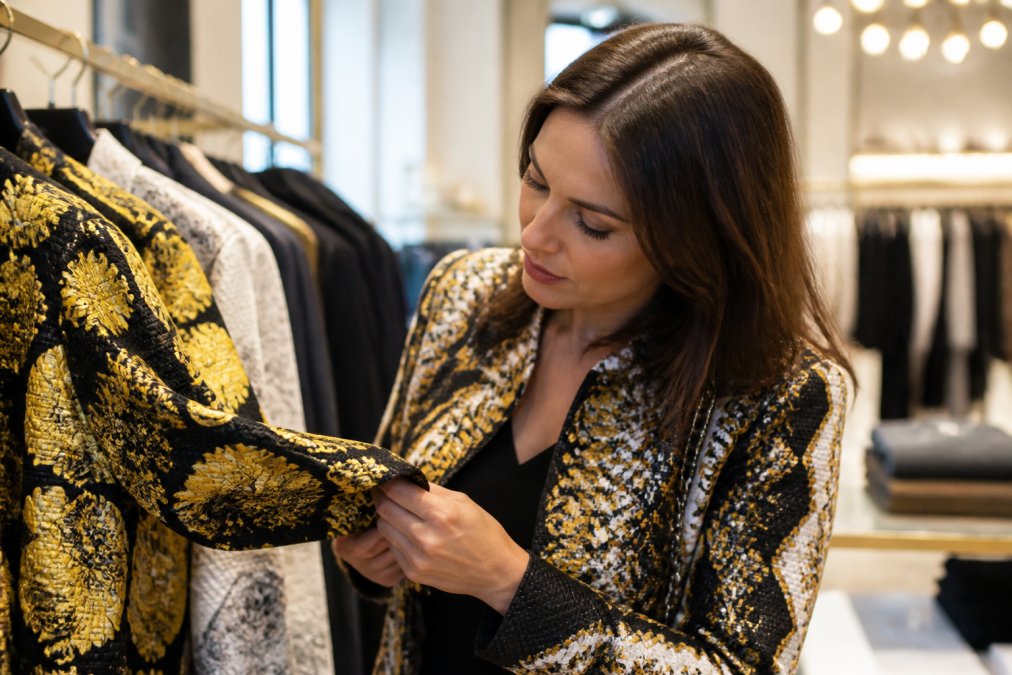
Scarcity taps into a fundamental fear of missing out. When a garment is labeled "limited," it shifts from a simple purchase into a race against time, activating urgency and heightening emotional connection. This psychology explains why limited edition drops often sell out in minutes.
The exclusivity creates a status signal. Owning a piece that was difficult to acquire communicates taste, timing, and often higher social standing. This is the engine behind drop culture, where release dates become events and the secondary market thrives on the generated hype. The desire is rarely about the fabric alone; it is about access to a closed club.
Craftsmanship and Quality: The Core of Fashion Investment
Limited edition fashion typically demands a higher standard of craftsmanship because the brand's reputation is staked on a smaller, more visible output. Materials are often superior and construction details receive more attention, resulting in a garment built for durability rather than a single season.
A well-made piece holds its shape, resists wear, and maintains its aesthetic appeal over years. This longevity directly supports resale value, as secondary market buyers pay a premium for pristine items. You are paying for tangible quality and the intangible assurance that it will last.
Understanding Fashion Resale Market Trends
The fashion resale market has matured into a significant force, transforming how consumers view their wardrobes. Platforms dedicated to pre-owned luxury have legitimized clothing as an asset class, with certain pieces appreciating well beyond their original retail price.
Several factors drive resale value in limited edition fashion:
- Brand heritage and desirability: Iconic houses and cult designers hold value better
- Condition: Unworn or barely worn pieces command the highest prices
- Rarity: The lower the production volume, the higher the potential markup
- Cultural moment: Pieces tied to a specific era or collaboration can spike in demand
While trends fluctuate, the overall trajectory points toward a strong market for authenticated, high-quality goods.
The Market's Growth Trajectory
The secondary market has moved from niche forums to a multi-billion-dollar industry (thredup.com). Major players like The RealReal, Vestiaire Collective, and StockX have built entire business models around pre-owned and limited-release goods.
The Mechanics of Price Appreciation
A common pattern is that a limited edition piece's value is not linear. It often follows a distinct curve:
- Initial Drop: Prices can spike immediately after a sell-out, driven by hype and FOMO.
- The Correction: A few months later, prices often dip as the initial hype cools and more pieces hit the secondary market.
- The Long-Term Climb: For pieces with true staying power, prices begin to appreciate steadily after 1-3 years, as the available supply is absorbed by collectors and the item becomes harder to find.
Understanding this cycle is critical. Buying at the peak of the initial hype spike is often the worst time to enter the market; the most successful investors wait for the correction phase to acquire pieces with long-term potential.
The Role of Condition and Provenance
The secondary market is unforgiving on condition. A piece with visible wear, alterations, or missing original packaging can lose 20-50% of its potential value compared to a pristine example (voguebusiness.com). The original receipt, dust bag, and authenticity cards are part of the asset's value. Storing pieces properly is about protecting the financial asset it represents.
A Data-Driven Approach to Selection
Instead of relying on intuition, serious investors track sell-through rates on major platforms, follow price trends for similar pieces, and watch which collaborations have historically held value.
Key Takeaway
Treat the resale market as a financial market. Track prices, understand the hype cycle, and prioritize condition and provenance above all else. The piece that holds its value is the one that was bought with a long-term perspective, not a fleeting trend.
Selecting Investment Pieces for Women That Hold Value
Choosing the right investment pieces for women requires a shift from "what do I like?" to "what will endure?" The most reliable investments balance timeless design with a distinctive edge. A classic silhouette in a bold, limited colorway often outperforms an avant-garde design that may not age gracefully.
Here is a practical framework for evaluating a potential purchase:
- Assess the brand's track record: Does its past limited releases hold value?
- Evaluate the design's longevity: Will this look dated in three years, or will it remain striking?
- Check the material quality: Natural fibers and premium synthetics typically age better.
- Verify the exclusivity: Confirm the piece is a true limited run, not a marketing label.
For the confident woman, this means selecting pieces that align with her personal style while meeting these objective criteria, avoiding the trap of buying something simply because it is scarce.
The Investor's Lens: Beyond Aesthetics
The 'Wearability-Adoption' Curve
A unique angle most guides miss is the 'wearability-adoption' curve. A piece that is too avant-garde may be coveted by a small group of collectors but will never achieve broad market adoption, limiting its resale pool and making its value fragile. Conversely, a piece that is too basic, even if limited, does not generate enough desire to appreciate significantly.
The sweet spot is the 'elevated classic', a familiar silhouette (a trench coat, a blazer, a silk slip dress) reimagined with a distinctive, limited-edition detail, such as a unique print, an unexpected fabric, or signature hardware. These pieces are desirable to a broad audience because they are wearable, yet special enough to command a premium.
The 'Cost-Per-Wear' Investment Metric
Another overlooked metric is 'cost-per-wear' over a 10-year horizon. A $2,000 limited edition jacket worn 50 times a year for a decade costs $4 per wear; if it retains 80% of its value, your net cost drops to under $1 per wear. A $200 fast-fashion dress worn twice costs $100 per wear. This reframing shifts the conversation from 'expensive' to 'efficient.' The most intelligent purchases deliver the most value per use.
A Practical Checklist for the Savvy Buyer
Before making a purchase, run it through this investor-focused checklist:
- Is this a 'brand-defining' piece? Does it represent the designer's core aesthetic, or is it an outlier experiment? Brand-defining pieces tend to have more enduring value.
- What is the 'hype-to-quality' ratio? A piece with high hype but mediocre materials is a risky flip. A piece with low hype but exceptional materials is an undervalued asset.
- Is the production run genuinely limited? Look for numbered editions or explicit statements from the brand about the total quantity. Be wary of 'limited' labels on items that are produced in the thousands.
- Does it fit into a broader collection narrative? Pieces that are part of a cohesive, well-documented collection (like a designer's final season or a landmark anniversary) often have a stronger collector base.
Pro Tip
When evaluating a piece, ask yourself: 'If this brand disappeared tomorrow, would this item still be desirable?' If the answer is yes, you are likely looking at a piece with intrinsic value that transcends the hype cycle.
The goal is a wardrobe that is both expressive and financially sound, avoiding the trap of buying something simply because it is scarce, rather than because it is worth owning.
How to Authenticate Luxury Fashion Before You Buy
Authentication is the single most critical step in protecting your investment. The secondary market is flooded with counterfeits, and a fake piece is worth a fraction of what you paid. Developing a keen eye for authenticity is essential before any high-value purchase.
Start with the basics: examine the stitching, hardware, and materials. Authentic luxury items have a weight and finish that are difficult to replicate. Check interior labels and tags for consistent typography and correct logos. For higher-value pieces, independent third-party authentication services provide a detailed analysis and a certificate of authenticity.
Watch Out
Skipping authentication is the fastest way to lose money in limited edition fashion. A convincing counterfeit can be nearly indistinguishable to the untrained eye, and resale platforms are not immune to fraudulent listings. Always verify provenance before you buy.
The Real Risks: Hype Cycle Crashes and Storage
The most overlooked risk is the hype cycle crashing. A piece highly sought after today can fall out of favor quickly as trends shift and new drops capture attention. Market saturation with similar styles, or a brand's overproduction, can dilute the value of earlier "limited" runs.
Beyond market dynamics, physical preservation is a practical challenge. Fashion is perishable; improper storage can ruin a garment's value. Exposure to light, heat, and moisture degrades fabrics, while improper hanging can distort shapes (si.edu). Protecting your investment requires breathable garment bags, acid-free tissue paper, and a cool, stable environment.
Pro Tip
Store your investment pieces flat or on padded hangers in a climate-controlled closet. Avoid plastic dry-cleaning bags, which trap moisture and emit chemicals that can yellow fabrics over time. This simple habit preserves the condition that drives resale value.
Conclusion: A Balanced View on Limited Edition Fashion
Investing in limited edition fashion is not a guaranteed path to riches; it is a nuanced strategy for those who love style and understand value. The benefits of craftsmanship, exclusivity, and potential appreciation are real, but balanced by the risks of market volatility and the responsibilities of care and authentication. The smartest approach is to buy what you love, verify what you buy, and care for what you own.
At ETHOS CONCEPT, we believe that sophisticated style should be accessible. Our curated collections, including the exclusive Viadellerose (#VDR) line, are designed to offer that sense of individuality and quality without compromising on affordability. We help you to build a wardrobe that reflects your confidence.
Frequently Asked Questions
Are limited edition fashion items a reliable financial investment?
Limited edition fashion can hold or increase in value, but it is not a guaranteed financial asset. Unlike stocks or bonds, fashion relies on fluctuating trends and market demand. The resale value depends on brand heritage, scarcity, condition, and cultural relevance. Treat these purchases as a passion. Focus on pieces you love and will wear, and consider any future resale profit a potential bonus.
What distinguishes a true limited edition piece from mass-produced fashion?
A true limited edition piece has a clearly defined and small production volume, often numbered or certified. It features superior craftsmanship and materials compared to mass-produced items. Mass-produced fashion is made in large quantities for broad appeal, which diminishes its rarity and collectibility. Authentic limited edition fashion is often tied to a specific drop, a designer's vision, or a brand's heritage, creating a unique story and emotional connection.
How can you identify which limited edition pieces will hold their value?
Look for pieces from heritage houses or designers with strong brand equity and a track record of appreciating value. Focus on timeless silhouettes and iconic designs rather than fleeting trends. The condition of the item is paramount; pristine pieces with original packaging and proof of purchase command higher prices. Research the secondary market to see how similar pieces from past collections have performed.
How does scarcity impact the resale value of clothing?
Scarcity creates urgency and drives demand, which can increase resale value. When a piece has a low production volume, it becomes rarer, making it more desirable to collectors. This basic supply and demand principle can lead to prices above the original retail in the secondary market. However, scarcity alone is not enough. The piece must also have strong brand recognition and quality to maintain long-term value.
Building a collection of meaningful pieces is a journey of self-expression. ETHOS CONCEPT makes it easier with free shipping on orders over $150 and a commitment to high-quality, distinctive fashion. Explore the Atelier Line and find the piece that speaks to you.