

Table of Contents
- What Makes a Fabric Durable for Everyday Wear
- Natural vs Synthetic Fabric Longevity
- Top Natural Fibers That Last
- Synthetic and Blended Options for Durability
- How to Care for Durable Clothing
- Sustainable Fabrics for Everyday Wear
- Cost-Per-Wear Analysis and Repair
- Frequently Asked Questions
Last Updated: October 3, 2026
What Makes a Fabric Durable for Everyday Wear
Durability isn't about thread count or price, it's about understanding how fabric holds up under repeated wear, washing, and friction.
Durability in textiles comes down to three core factors: fiber strength, weave density, and how well the fabric resists abrasion. Long-staple fibers, those with longer individual strands, create stronger yarns that resist breaking. A tight weave means more fibers packed into each square inch, which translates to better resistance against tearing and pilling. Abrasion resistance determines how the fabric handles friction from your body, washing machines, and everyday contact.
The best durable fabrics for everyday wear combine at least two of these qualities. A loosely woven synthetic might have strong fibers but pill easily; a tightly woven natural fiber might resist pilling but shrink unpredictably. Understanding these trade-offs helps you choose pieces that align with your lifestyle.
Fiber integrity determines longevity. When fibers break down at the molecular level, garments fail faster. The difference between fabrics that soften beautifully and those that develop holes is the fiber's tensile strength, its ability to resist breaking under stress.
Natural vs Synthetic Fabric Longevity
The durability debate between natural and synthetic fibers often gets framed as ideology rather than science. In reality, each category has genuine strengths and specific weaknesses for everyday wear.
Natural fibers like cotton, linen, hemp, and wool breathe, regulate temperature, and feel good against skin, but aren't automatically more durable than synthetics. Organic cotton can lose shape over years of heavy wear due to lack of elastic recovery. Linen gets stronger when wet but wrinkles aggressively without synthetic blending.
Synthetics like polyester excel at consistency and resist environmental damage, they don't shrink, fade, or take long to dry. However, many breathe poorly and trap heat. Microsuede resists stains and tearing but feels plasticky and doesn't age as gracefully as natural fabrics.
Blended fabrics often outperform pure fibers for everyday durability. A cotton-polyester blend offers cotton's breathability with polyester's shape retention. A linen-hemp blend combines linen's cooling with hemp's tensile strength. The best durable fabrics for everyday wear are strategic combinations rather than 100% single fibers.
Sustainable textiles and durability aren't always aligned. A piece lasting five years has lower cost-per-wear and environmental impact per year than one lasting two, so consider both lifespan and production footprint when shopping.
Top Natural Fibers That Last
Natural fibers remain the gold standard for comfort and longevity when chosen correctly. Each brings distinct durability characteristics that suit different garment types and lifestyles.
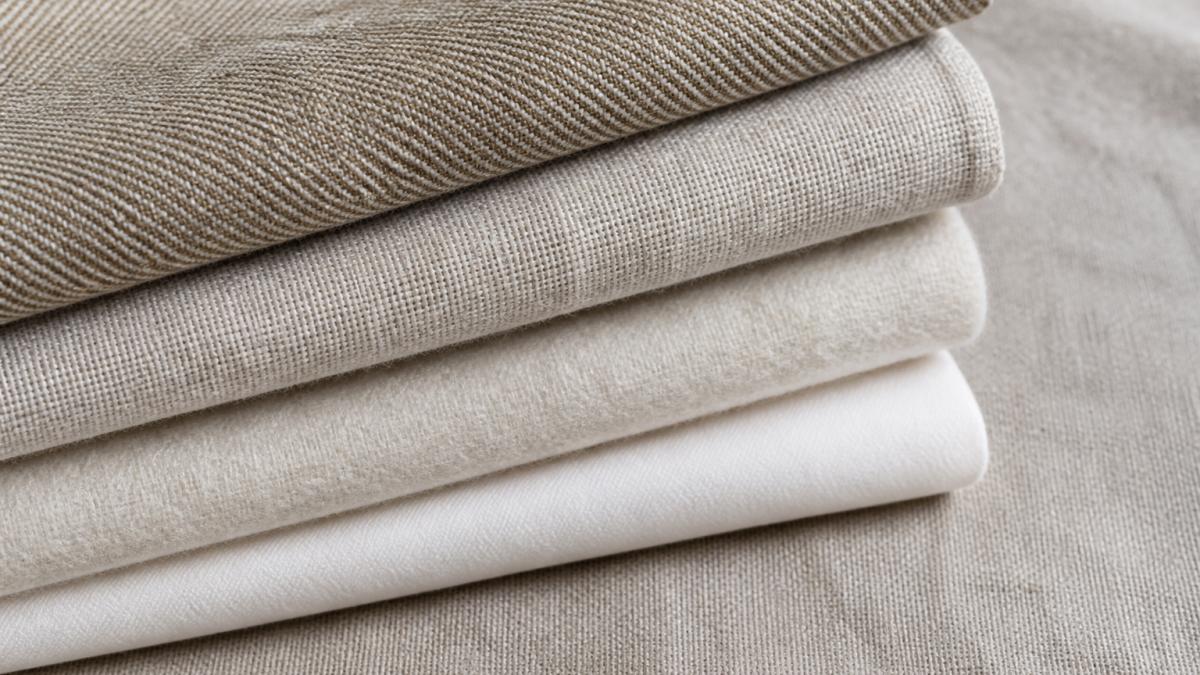
Hemp: Strength That Improves Over Time
Hemp possesses one of the highest tensile strengths of any natural fiber and becomes stronger when wet, washing improves durability rather than degrading it. Over time, hemp softens while maintaining structural integrity, a rare combination.
Raw hemp feels stiff initially and requires a breaking-in period of several washes, evidence of dense, tight construction. Once broken in, hemp pieces last a decade or more with proper care.
Hemp is naturally resistant to mold and UV light, making it ideal for outdoor wear or humid climates. It's also one of the most sustainable fibers to cultivate, requiring minimal pesticides and water. For trousers, structured shirts, and jackets, hemp delivers exceptional longevity.
Linen for Breathability and Longevity
Linen is stronger when wet than dry, so washing actually increases resilience. Over repeated laundering, linen develops a soft, lived-in feel while maintaining excellent tensile strength.
Linen naturally resists bacteria and moisture without chemical treatments, has high heat conductivity, and absorbs moisture without feeling damp, ideal for summer and active wear.
Linen wrinkles significantly more than cotton or synthetics. Pure linen requires regular ironing, but blending with 20-30% polyester or cotton maintains breathability while dramatically improving wrinkle resistance.
Merino Wool and Performance
Merino wool excels in temperature regulation and durability. Unlike coarser wools, merino fibers are fine enough to feel soft without the itching that makes regular wool uncomfortable.
Merino's natural elasticity allows garments to retain shape through repeated wear and washing. Moisture-wicking properties pull sweat away from skin and dry relatively quickly. Merino is naturally odor-resistant, so you can wear base layers or sweaters multiple times between washes.
For durability, merino requires careful washing to prevent shrinking. Hand washing or using a wool-specific cycle in cold water preserves the fiber's integrity. When treated properly, merino garments last for years and actually improve with age, developing a softer hand-feel over time.
Organic Cotton Benefits
Organic cotton offers a balance of comfort and reasonable durability for everyday wear. Grown without synthetic pesticides or fertilizers, it's gentler on sensitive skin and has a lower environmental impact than conventional cotton.
Long-staple organic cotton (Pima or Egyptian varieties) delivers significantly better durability than short-staple versions. Longer fibers create stronger yarns that resist pilling and maintain shape better, while short-staple cotton can lose shape after years of heavy wear.
For everyday basics, organic cotton is versatile and comfortable, breathing well and softening beautifully. Expect 3-5 years of regular wear before noticeable degradation.
Synthetic and Blended Options for Durability
Synthetic fibers dominate performance wear because they deliver consistency and resistance to the environmental factors that degrade natural fibers. For everyday wear, strategic blending creates the best results.
Polyester Performance Blends
Polyester is engineered for durability. It resists shrinking and stretching, maintains color vibrancy through dozens of wash cycles, and dries quickly. These properties make polyester blends ideal for everyday clothing that endures frequent washing and active use.
A 65% polyester and 35% cotton blend balances cotton's breathability with polyester's durability and shape retention. This standard ratio works because pure polyester traps heat and feels uncomfortable for extended wear, while blends solve this problem.
Polyester blends resist abrasion better than natural fibers alone and maintain appearance through repeated wear without fading or pilling as quickly. For workwear and activewear, they deliver reliable durability at accessible prices.
Lyocell and Tencel Properties
Lyocell is a regenerated cellulose fiber made from wood pulp through a closed-loop system, making it more sustainable than conventional synthetics while delivering exceptional durability.
Lyocell has high dry and wet strength, resists pilling, wrinkles better than pure cotton, and remains breathable. The fabric drapes beautifully and develops a soft hand-feel over time.
TENCEL Lyocell, a branded version of lyocell, is produced using a sustainable process that recovers and reuses solvents. For everyday dresses, blouses, and soft-touch essentials, lyocell delivers durability without compromising on comfort or environmental responsibility. The fiber's absorbency and breathability make it suitable for all seasons.
How to Care for Durable Clothing
Durability doesn't end at purchase. How you wash, dry, and store garments dramatically affects their lifespan. The best durable fabrics for everyday wear require appropriate care to maintain their integrity.
Turn garments inside out before washing to reduce surface abrasion and protect colors. Wash in cold water whenever possible, hot water weakens fibers and causes dyes to bleed while also reducing energy consumption.
Avoid overloading the washing machine. Crowded loads create excessive friction and prevent proper rinsing, leaving detergent residue that breaks down fibers. A half-full to three-quarter-full load allows proper movement and rinsing.
Air drying extends garment life significantly. Machine dryer heat and tumbling weaken fibers, degrade elastic, and cause shrinkage. For items needing softness, a short low-heat cycle followed by air drying offers a compromise.
Store folded rather than hanging whenever possible. Hangers create stress points that can stretch necklines and shoulder seams over time. Use cedar blocks or lavender sachets instead of mothballs, which can damage fibers. Keep storage areas cool and dry to prevent mold and mildew.
Repair small damage immediately. A loose thread or small hole ignored becomes a major problem within weeks. Simple mending preserves garments for years longer than waiting until damage is severe.
| Care Method | Impact on Durability | Best For |
|---|---|---|
| Cold water washing | Extends fiber life, preserves colors | All fabrics |
| Air drying | Prevents heat damage, maintains shape | Most garments |
| Inside-out washing | Reduces surface abrasion | Printed or dark fabrics |
| Prompt repairs | Prevents minor damage from spreading | All items |
| Proper storage | Prevents stretching and environmental damage | Knitwear and delicates |
Sustainable Fabrics for Everyday Wear
Sustainability and durability increasingly overlap. A garment that lasts longer has a lower environmental impact per year of wear, regardless of its fiber type. The best durable fabrics for everyday wear often align with eco-conscious wardrobe building.
Hemp requires minimal water, no synthetic pesticides, and regenerates quickly. Soil improves after hemp cultivation. Hemp's exceptional durability means garments last longer, reducing replacement frequency.
Organic cotton eliminates synthetic pesticides and supports soil health. When combined with durability, selecting long-staple pieces you'll wear for years, the environmental benefit compounds.
Linen production is relatively low-impact, and flax plants improve soil quality. The entire plant is used, with minimal waste. Linen's durability and timeless aesthetic mean pieces don't go out of style, extending their useful life.
Lyocell and Tencel represent sustainable synthetics. The closed-loop production process recovers and reuses solvents, minimizing waste and environmental impact. The fast fashion vs. slow fashion distinction matters here: a durable lyocell piece worn for five years has lower environmental impact than a cheap synthetic worn once and discarded.
Building an eco-conscious wardrobe means prioritizing quality and durability over quantity. Buying fewer pieces that last longer reduces overall consumption and environmental impact. The best durable fabrics for everyday wear often come from brands committed to both longevity and responsible production.
Cost-Per-Wear Analysis and Repair
True affordability isn't about the price tag, it's about cost-per-wear. A $200 piece worn 100 times costs $2 per wear. A $40 piece worn 10 times costs $4 per wear. Understanding this calculation changes how you shop and value clothing.
Calculate cost-per-wear by dividing the purchase price by the number of times you'll realistically wear the item. For everyday basics like t-shirts or jeans, expect 50-100 wears minimum. For structured pieces like blazers or jackets, 30-50 wears is reasonable.
Durability directly impacts cost-per-wear. A hemp or quality linen piece that lasts five years and gets worn 80 times annually costs roughly $0.05 per wear over its lifetime.
Repair extends garment life and improves cost-per-wear dramatically. A $15 seam repair on a $150 jacket extends its life by years. Replacing a zipper costs $20-30 but saves a $100+ jacket from the landfill.
Mending also connects you to your clothing. When you repair something yourself, you develop appreciation for the garment's construction and durability. You notice which pieces hold up and which don't, informing future purchases. This awareness naturally steers you toward better-made items that reward your investment with longevity.
Quality fabrics that stand up to everyday wear don't have to break the bank. At ETHOS CONCEPT, we offer a curated selection of bold streetstyle and affordable fashion designed for the confident woman.
Frequently Asked Questions
Which fabrics should you avoid for everyday wear?
Avoid thin, loosely woven synthetics that pill easily and lose shape quickly. Pure silk and delicate fabrics require special care unsuitable for daily use. Avoid low-quality polyester blends under 65% fiber content, as they degrade faster. Instead, choose tightly woven natural fibers or high-performance synthetic blends with proven abrasion resistance and tensile strength.
Does 100% cotton last longer than polyester?
It depends on the cotton quality and weave. Long-staple organic cotton and cotton twill can last decades with proper care. However, polyester performance blends often outlast low-quality cotton because they resist shrinking, fading, and stretching better. For durability, focus on fiber density, weave tightness, and GSM weight rather than fiber type alone. Hemp, linen, and merino wool typically outperform both in longevity.
How can you tell if a fabric is high-quality before buying?
Check the GSM (grams per square meter): higher GSM indicates denser, more durable fabric. Examine the weave tightness by holding it to light, gaps mean lower durability. Read fiber content labels; long-staple fibers and natural certifications signal quality. Feel the hand-feel and drape; quality fabrics feel substantial and smooth. Look for reinforced seams and hems. Ask about fabric testing standards the brand uses to verify abrasion resistance and tensile strength.
What's the best way to maintain durable fabrics for long-term wear?
Wash in cold water with mild detergent to preserve fiber integrity and prevent fading. Turn garments inside out to reduce pilling and surface abrasion. Use shorter wash cycles and lower spin speeds. Air-dry when possible to avoid heat damage. Store in breathable containers away from direct sunlight. Repair small tears and loose seams immediately to prevent fiber damage from spreading. For wool and delicate fibers, hand-wash or use gentle cycles. Proper textile care extends garment lifespan by years.