

Table of Contents
- The Price-Quality Disconnect in Fashion
- What Actually Determines Clothing Quality
- How to Check Clothing Quality Before You Buy
- Is Designer Clothing Worth the Money?
- Fast Fashion vs. Quality Construction
- How to Build a High-Quality Wardrobe on a Budget
- Frequently Asked Questions
Last Updated: September 22, 2026
The Price-Quality Disconnect in Fashion
Not all expensive clothing is better quality. This counterintuitive truth challenges what many shoppers assume when they see a higher price tag. Is expensive clothing always better quality? The answer depends entirely on what you're actually paying for, and most people don't know how to tell the difference.
The disconnect between price and durability exists because clothing costs reflect multiple factors beyond the fabric itself: brand equity, marketing overhead, retail markups, and supply chain positioning all inflate the final number. Meanwhile, some affordable brands invest heavily in garment construction and material sourcing, delivering exceptional value. Understanding this gap is what separates savvy shoppers from those who confuse expense with quality.
The real question isn't whether to buy cheap or expensive, it's how to evaluate what you're actually getting for your money. Price becomes meaningful only when you know what determines quality in the first place.
What Actually Determines Clothing Quality
Quality in clothing comes down to three measurable factors: the materials used, how the garment is constructed, and the finishing details that prevent premature wear. None of these correlate perfectly with price. A designer label might charge premium prices while cutting corners on seam integrity. A mid-range brand might use superior fabric composition and stitch density to create something that outlasts luxury alternatives.
Fabric Composition and Material Sourcing
The fiber content label tells you more about longevity than the price tag ever will. Natural fibers like cotton, wool, and linen tend to age better than synthetics, but synthetic materials like polyester and nylon offer performance advantages in certain applications, moisture-wicking, stretch recovery, and durability under stress. The quality of the raw material matters more than the fiber type itself. A premium cotton with strong fiber strength will outlast low-grade cotton, regardless of which brand name appears on the label.
Material sourcing practices also affect quality. Garments made from sustainably sourced fibers often undergo stricter quality control during production. Fair trade practices, while primarily an ethical consideration, frequently correlate with better manufacturing standards because ethical producers tend to invest in worker training and quality oversight.
Weight and hand feel provide practical clues. Hold the garment and assess the fabric weight, heavier fabric typically indicates better quality construction and longer garment longevity. Run your fingers across the surface. Quality fabric feels smooth and consistent, not thin or papery.
Garment Construction and Seam Integrity
Construction quality determines how long a garment survives washing and wearing. Examine the seams closely. Quality seams are straight, even, and use tight stitch density, typically 12-16 stitches per inch. Loose, wandering seams or visible thread gaps signal poor construction. Seams should be finished (bound or serged) to prevent fraying, especially in garments that will be washed frequently.
The way fabric pieces are cut and joined matters enormously. Bespoke and ready-to-wear garments differ primarily in construction precision. High-quality ready-to-wear matches the precision of bespoke tailoring through rigorous quality control, not hand finishing. Pattern matching, where prints or patterns align at seams, is a hallmark of careful construction that most affordable brands skip entirely.
Check closures carefully. Zippers should move smoothly without snagging. Buttons should be securely attached with thread underneath, not just glued on. Snaps and hooks should feel solid when fastened. These details cost manufacturers mere cents but signal whether they prioritize durability or cutting costs.
Finishing Details and Stitch Density
Finishing details separate investment pieces from disposable fashion. Look at hems, are they hand-stitched, machine-stitched, or simply folded and glued? Hand-stitched or precisely machine-stitched hems indicate quality. Hems that are glued or poorly finished will unravel after a few washes.
Interior finishing matters too. Seam allowances should be neatly trimmed and finished. Loose threads inside indicate a manufacturer that doesn't inspect finished garments. Quality garments have clean interiors that won't irritate skin and suggest careful construction throughout.
Stitch density, the number of stitches per inch, directly affects durability. Fast fashion manufacturers often use lower stitch density to reduce production time and cost. Quality garments use tighter stitch density, which creates stronger seams that resist tearing and stress.
How to Check Clothing Quality Before You Buy
You don't need expertise to evaluate garment quality. A systematic inspection takes two minutes and reveals more than the price tag ever will.
Reading Fiber Content and Labels
Start with the fiber content label. Note the exact percentages, a blend of 60% cotton and 40% polyester behaves differently than 100% cotton. Look for natural fiber percentages; higher percentages of natural fibers generally indicate better longevity, though this varies by garment type. Performance wear benefits from synthetic materials, while basics and investment pieces often perform better in natural fibers.
Check for care instructions that seem excessive. If a garment requires dry cleaning only or hand washing in cold water, the manufacturer is signaling that the fabric or construction is delicate. This information helps you assess whether the garment matches your lifestyle and maintenance capacity.
Certifications on labels provide additional confidence. Fair trade certifications, organic fiber labels, and quality assurance marks indicate that someone beyond the manufacturer has verified standards. These certifications cost money, so their presence suggests the brand invests in quality oversight.
Inspecting Seams, Hems, and Closures
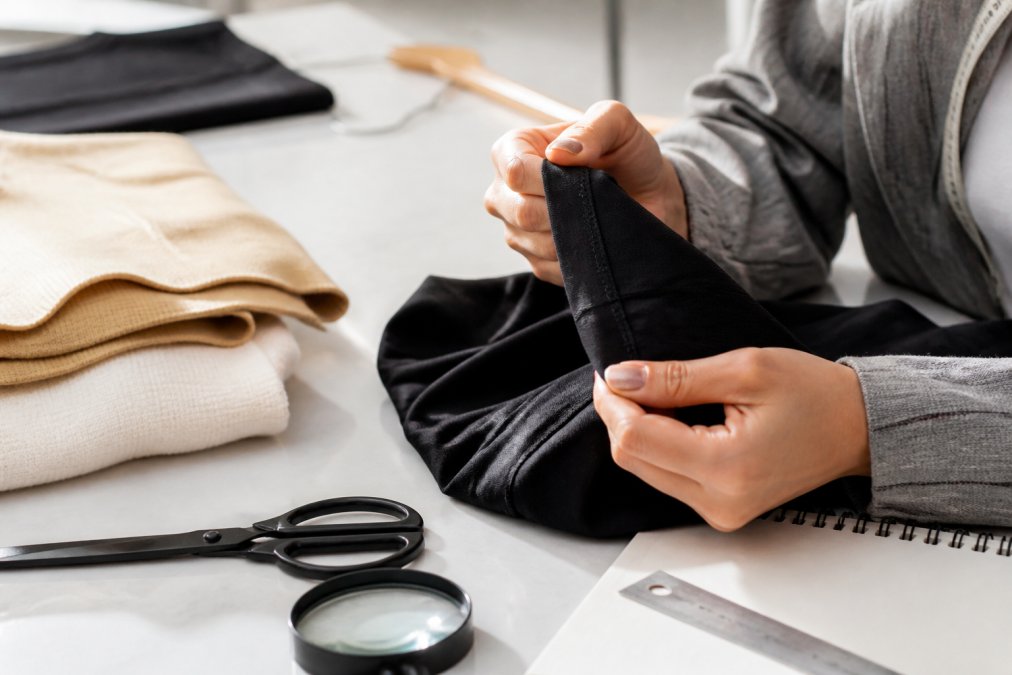
Run your fingers along seams from the inside. Quality seams feel smooth and tight. You shouldn't see gaps between stitches or loose thread. Seams should be finished, either bound with bias tape, serged, or flat-felled, not raw fabric edges that will fray.
Check the hem by looking at both sides. Quality hems are consistent in width and stitching. Uneven hems or visible glue indicate rushed manufacturing. For knit garments, hems should be stretchy and secure. For woven garments, hems should lie flat without puckering.
Examine closures under bright light. Zippers should have smooth operation without catching. Buttons should be sewn with thread that wraps underneath the button, not just glued to the surface. Snaps should feel solid and secure. These details take seconds to check but reveal the manufacturer's attention to durability.
Testing Fabric Feel and Weight
Pick up the garment and assess its weight in your hands. Substantial weight typically correlates with better quality and longer lifespan. Lightweight fabric can indicate quality (like fine silk), but thin, papery fabric usually signals cost-cutting.
Feel the fabric between your fingers. Quality fabric has a smooth, consistent hand feel. Rough, pilly, or uneven texture suggests lower-grade material or poor finishing. Stretch the fabric gently, it should return to its original shape without bagging. Fabric that stays stretched indicates weak fibers or poor construction.
Check for pilling by rubbing the fabric gently.
Is Designer Clothing Worth the Money?
Designer pricing reflects brand equity and marketing investment far more than garment quality. A designer label commands premium prices because consumers recognize the name and associate it with prestige. That brand equity is real, it affects resale value and social perception, but it doesn't automatically mean the garment is constructed better than mid-range alternatives.
Fast Fashion vs. Quality Construction
Fast fashion prioritizes speed and cost reduction. Garments are designed to trend quickly, manufactured rapidly, and priced to move fast. This model inherently conflicts with quality construction. Seams are rushed, fabric is economical rather than durable, and finishing details are minimal. Fast fashion garments typically survive 5-10 wears before showing significant wear.
How to Build a High-Quality Wardrobe on a Budget
Building quality doesn't require luxury budgets. Strategic shopping focuses on garment construction, fabric composition, and versatility rather than brand names.
| Quality Indicator | What to Look For | Why It Matters |
|---|---|---|
| Seam Construction | Tight, even stitches; finished edges | Prevents unraveling and extends garment life |
| Fabric Weight | Substantial feel; consistent texture | Indicates durability and longevity |
| Fiber Content | Higher natural fiber percentages | Generally ages better and feels better against skin |
| Closure Quality | Secure buttons, smooth zippers | Prevents functional failure during wear |
| Hem Finishing | Even width, clean stitching | Prevents fraying and maintains appearance |
| Stitch Density | 12-16 stitches per inch | Creates stronger seams that resist stress |
Frequently Asked Questions
What factors actually determine the quality of a garment?
Quality depends on fabric composition (natural fibers like cotton and wool tend to last longer than synthetics), garment construction (seam integrity and stitch density matter more than brand name), finishing details, and how well the piece is tailored. A $50 dress with tight seams and quality fabric will outlast a $200 dress made from thin synthetics with loose stitching. Material sourcing, quality control during manufacturing, and fit also affect longevity and how well a piece holds up through washing and wearing.
How can you tell if a piece of clothing is well-made?
Inspect the seams, they should be straight, tight, and consistent. Check stitch density (more stitches per inch means stronger seams). Look at hems and closures; they should be finished neatly with no loose threads. Read the fiber content label; natural fibers like cotton, linen, and wool typically perform better than pure polyester. Feel the fabric weight and quality. Turn garments inside out to examine construction. Well-made pieces have reinforced stress points, balanced hems, and attention to detail that cheaper items skip.
Does a higher price tag guarantee better fabric durability?
No. Price reflects brand equity, marketing overhead, and retail markup more than durability. A luxury brand charging $300 for a dress may use the same fabric base as a $60 alternative from a direct retailer with lower overhead. The difference lies in what you're actually paying for: the label, the store experience, or the garment itself. Some affordable brands invest heavily in quality control and material sourcing, while some luxury labels rely on brand prestige. Always inspect the actual garment rather than assuming price correlates with durability.
Why do some affordable brands offer better quality than luxury labels?
Affordable brands with strong quality control often spend less on marketing and retail overhead, allowing them to invest more in materials and construction. Luxury brands add significant markup for brand equity and positioning. A mid-range brand focusing on ready-to-wear essentials may source better fabrics and employ tighter quality standards than a luxury label prioritizing design innovation over durability. Cost per wear matters: an affordable piece that lasts two years may offer better value than an expensive trendy piece worn five times. Smart shopping means evaluating construction and materials, not just the price tag.