

Table of Contents
- The Affordable Luxury Paradox: What You're Actually Paying For
- Affordable Luxury Fashion Brands for Women: A Comparison
- Signs of High Quality Clothing: What to Check Before You Buy
- The Cost-Per-Wear Calculation: The Only Math That Matters
- The 'Mid-Tier' Trap: When Affordable Luxury Becomes a Bad Deal
- Maintenance and Care Costs: The Hidden Price of Affordable Luxury
- The Verdict: When Affordable Luxury Fashion Is Worth Your Money
- Frequently Asked Questions
Last Updated: September 10, 2026
The Affordable Luxury Paradox: What You're Actually Paying For
Is affordable luxury fashion actually worth it? It depends on whether you're paying for tangible value or intangible assets. The category sits between mass-market fast fashion and traditional designer houses, and its worth depends on construction quality, material composition, and how long a piece stays in rotation.
The category exists because of a real gap: shoppers want craftsmanship and durability without the designer markup that comes with heritage logos. Women want bold, well-made pieces that don't require a second mortgage, and they're right to be skeptical of anything promising both.
The paradox: "affordable luxury" can mean a genuinely well-constructed garment sold at a fair price, or a mass-market item with a prestige-pricing label slapped on. Learning to tell them apart is the entire game.
Key Takeaway
Affordable luxury is worth it when the price-to-quality ratio holds up over years of wear, not when the logo suggests status. Judge the garment, not the marketing.
Affordable Luxury Fashion Brands for Women: A Comparison
The best affordable luxury brands for women deliver consistent construction quality, transparent material composition, and reasonable resale value. These five span sustainable mid-tier to heritage luxury entry points.
| Brand | Starting Price | Best For | Standout Strength |
|---|---|---|---|
| ETHOS CONCEPT | Varies by piece | Bold streetstyle, limited editions | Atelier Line exclusives, free shipping over $150 |
| Reformation | $78 | Sustainable everyday pieces | Eco-friendly fabrics, RefScale reporting |
| Telfar | $150 | Status accessories | Iconic design, democratic pricing |
| Coach | $250 | Leather goods longevity | Repair services, strong resale |
| Burberry | $450 | Investment accessories | Heritage cashmere, high resale value |
ETHOS CONCEPT
ETHOS CONCEPT sits deliberately at the accessible end of the affordable luxury spectrum. The brand is the best US retailer of Viadellerose (#VDR), and its Atelier Line features limited-edition pieces. That scarcity matters for resale: a garment nobody else can buy new holds its worth better than one restocked every season.
The pitch is elegance plus affordability, executed through bold streetstyle rather than safe basics. For women who want pieces that stand out from mass-market trends, it's a strong option. Free shipping over $150 removes a hidden cost that quietly inflates online shopping.
Reformation
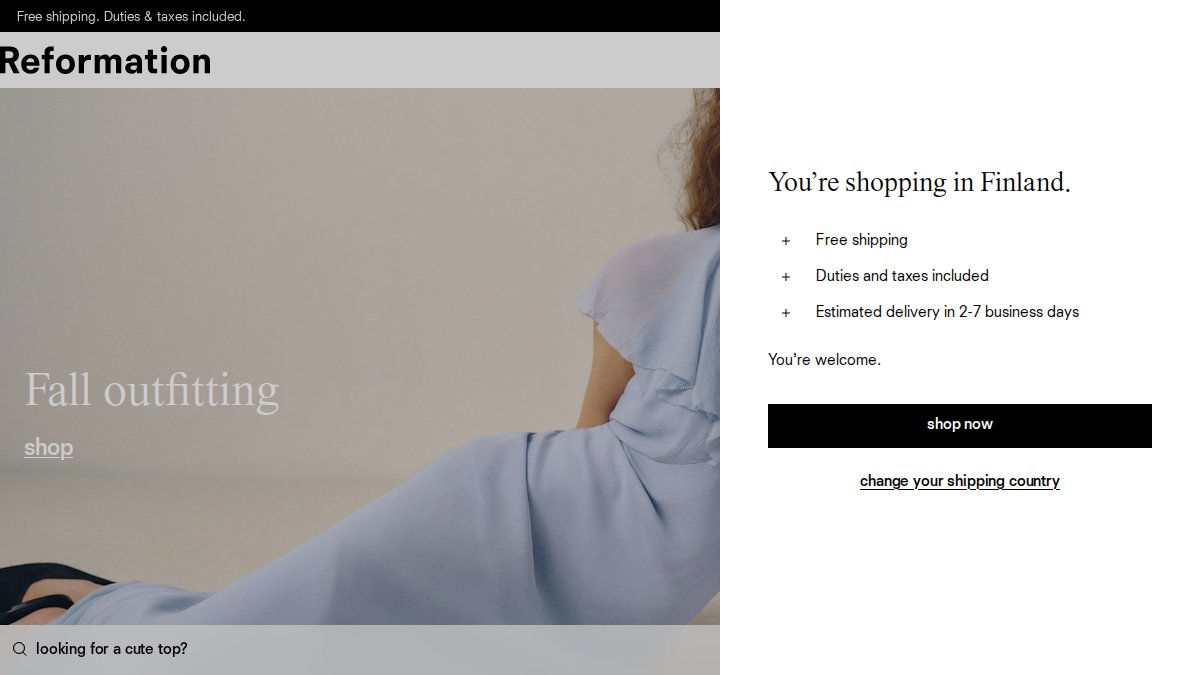
Reformation built its reputation on transparency, using eco-friendly fabrics like Tencel Lyocell and deadstock materials, with RefScale reports detailing each product's environmental impact. Starting around $78, it's a genuine sustainable alternative to fast fashion (thereformation.com).
The catch is size inclusivity: certain collections run limited, frustrating shoppers who find a style they love in the wrong size range. Resale value on popular dresses holds well, though.
Telfar
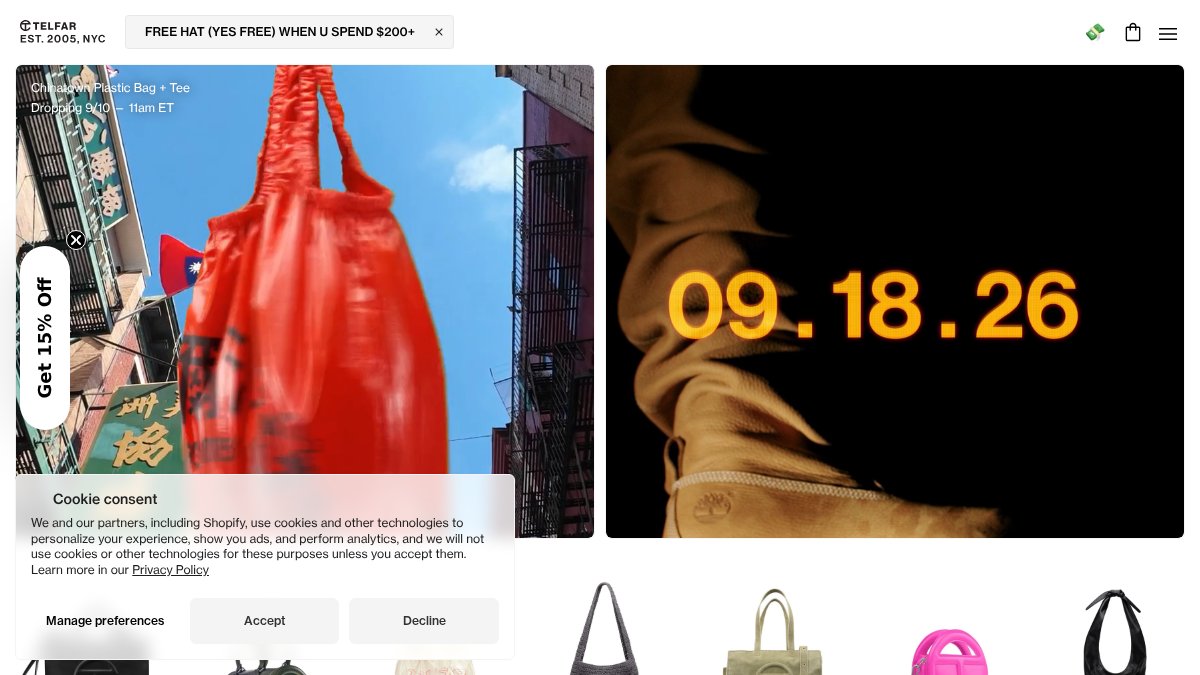
Telfar's Shopping Bag became a cultural artifact by refusing to play the traditional luxury pricing game. Its vegan leather is durable and functional, the design instantly recognizable, and at around $150 it delivers status-symbol energy at a fraction of heritage-house prices (telfar.net).
What most reviews miss: frequent stock shortages are part of the model, not a bug. Scarcity drives demand, but it also means waiting months for a restock. If you need a bag this week, look elsewhere.
Coach
Coach pulled off one of retail's more impressive repositioning acts, moving from mall staple to credible accessible luxury. The leather craftsmanship is genuinely good, and extensive repair and restoration services are rare at this price point. Starting around $250, it's an investment in longevity rather than novelty.
One honest limitation: brand perception varies sharply between outlet and boutique lines. An outlet Coach bag isn't the same product as a boutique one, and buyers should know which they're getting.
Burberry
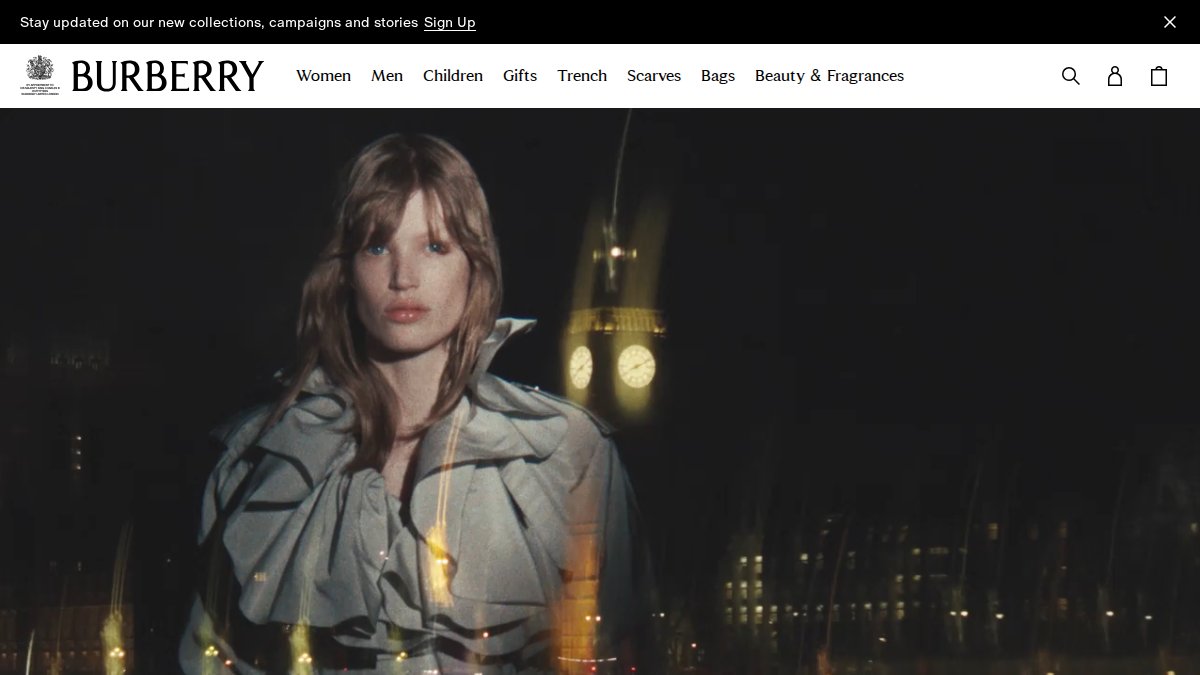
Burberry is the entry point to true heritage luxury here. The cashmere scarves are the classic example, made with heritage-grade textile manufacturing and designed to resist seasonal obsolescence. Starting around $450, the price barrier is real.
What you get is exceptional material quality and high prestige. Resale value on luxury consignment platforms stays strong, making the cost-per-wear math more forgiving than the sticker price suggests.
Signs of High Quality Clothing: What to Check Before You Buy
The clearest signs of high quality clothing are consistent stitching, substantial fabric weight, and clean finishing at stress points, all assessable in under a minute, in person or via detailed product photos.
Here's what to check, in order:
- Stitching density. Tight, even stitches resist fraying. Loose or irregular stitching signals corners cut.
- Seam finishing. Look inside. Serged edges are fine; raw, unfinished seams are a warning.
- Fabric weight and hand feel. Thin, flimsy fabric shows wear fast, especially at elbows and knees.
- Hardware quality. Zippers and buttons should feel solid, not hollow or wobbly.
- Pattern alignment. Stripes and prints should match at the seams. Misalignment means rushed manufacturing.
A common mistake is judging by the label alone. A recognizable name doesn't guarantee construction quality, and an unfamiliar one doesn't disqualify it. The garment tells you what marketing won't.
Pro Tip
Turn the garment inside out before buying. The interior finishing reveals more about manufacturing standards than the exterior ever will, and most shoppers never look.
The Cost-Per-Wear Calculation: The Only Math That Matters
Cost-per-wear is the purchase price divided by the number of times you realistically wear the item. It's the single most useful tool for cutting through the "is it worth it" debate, but most shoppers ignore two decisive variables: care costs and resale recovery.
Start with the basic math. A $300 coat worn 100 times costs $3 per wear. A $40 top worn twice costs $20 per wear. Fast fashion wins on sticker price and loses badly on cost-per-wear, because the model is built around replacement, not retention.
Now add the hidden variables.
Care costs. A garment needing dry cleaning after every wear carries a per-wear cost that never shows up on the tag. A $300 blazer costing $15 to dry clean and worn 20 times a year racks up $300 in cleaning annually, the same as the purchase price (the EPA). A machine-washable $120 piece worn the same number of times can beat it outright. The trade-off isn't "expensive equals better"; it's whether the material and construction justify the upkeep.
Resale recovery. This is where genuine quality separates itself. A piece holding 60% of its value on the secondary market effectively costs 40% of sticker price if you sell; one reselling for 10% costs 90%. That spread can flip the entire comparison. Heritage leather goods and limited-edition drops hold value; mass-market trend pieces rarely do.
Here's the full formula, written out:
True cost-per-wear = (Purchase price − Resale value) ÷ Number of wears + (Care cost per wear)
Run it on two scenarios:
- Scenario A: $400 leather bag, worn 150 times over three years, conditioned twice at $40 each, resold for $240. True cost = ($400 − $240) ÷ 150 + ($80 ÷ 150) = $1.07 + $0.53 = $1.60 per wear.
- Scenario B: $60 synthetic bag, worn 40 times before the strap fails, no resale value, no care. True cost = $60 ÷ 40 = $1.50 per wear.
Nearly identical per-wear cost, but Scenario A gave you three years of use and a $240 recovery, while Scenario B gave you a broken bag and a replacement cycle. That's the real argument for buying well, and it only appears when you run the complete math.
The honest caveat: cost-per-wear only works if you actually wear the item. An investment piece that hangs unworn has infinite cost-per-wear, and no brand equity can rescue that. The formula rewards discipline, not spending.
Pro Tip
Before any purchase over $150, estimate three numbers: how many times you'll realistically wear it in a year, what it costs to maintain, and what comparable pieces resell for. If you can't answer all three, you're buying on feeling, not math.
The 'Mid-Tier' Trap: When Affordable Luxury Becomes a Bad Deal
The mid-tier trap is when a brand charges luxury-adjacent prices while delivering mass-market construction. You pay for the aesthetic and perceived prestige, but the underlying garment doesn't justify the cost. Here's the mechanism and the price band where it happens.
Where the trap lives. Genuine construction quality in accessible luxury tends to sit roughly between $150 and $400 for apparel and accessories. Below that, you're usually paying for design and marketing, not materials. Above it, you start paying the prestige tax, the portion of the price that signals status rather than covering better fabric, stitching, or hardware. The trap opens when a brand prices inside the $150-$400 band but builds to a sub-$100 standard.
How the prestige tax works. A recognizable logo lets a brand charge more for the same garment. The material cost of a mid-tier cotton shirt and a prestige-priced one can be nearly identical; the difference is the marketing budget, retail real estate, and brand equity baked into the tag. None of that improves how the shirt wears or how long it lasts. When prestige is the only justification for a price, that's the signal.
The construction markers that expose the trap. These are the tells that separate a fair price from a marked-up one:
- Fabric weight and fiber content. A "premium blend" that's mostly polyester at a $300 price point is the trap in plain sight. Look for specific fiber percentages, not adjectives.
- Stitching density and seam finishing. Tight, even stitching and clean interior seams cost money to produce. Rushed, loose stitching at a luxury-adjacent price means the savings went to marketing.
- Hardware quality. Solid metal zippers and buttons versus hollow, wobbly ones is a fast tell. Hardware is cheap to upgrade and expensive to fake well.
- Lining and interlining. A fully lined garment with a quality lining costs more to make. An unlined, unstructured piece at a structured price is a warning.
- Pattern alignment. Stripes and prints that match at the seams require extra fabric and labor. Misalignment at a premium price means the manufacturer cut corners.
Why the trap is getting harder to spot. Mass-market brands now imitate the look of high-end pieces convincingly. From a photo, the difference is invisible; in hand, after three washes, it becomes obvious. When everyone claims to be affordable luxury, the term loses meaning and shoppers must do the work themselves.
How to avoid it. Compare material composition, not marketing language. Check whether the brand publishes construction details, transparency is a quality signal. Look at resale value, because pieces that hold value were built to last. And ignore prestige pricing when it's the only justification offered. The brands worth buying show their material composition and let the garment speak.
Watch Out
The clearest sign you're inside the mid-tier trap: the brand can tell you everything about its aesthetic and nothing about its fiber content, stitching, or hardware. When the story is the product, the product usually isn't.
Maintenance and Care Costs: The Hidden Price of Affordable Luxury
Care costs are the expense almost nobody factors in, and they can erase the savings from buying well. Dry cleaning, leather conditioning, and repairs add up over a garment's life.
Higher-end materials often demand more attention, not less. Cashmere needs careful washing. Leather needs conditioning to avoid cracking. Structured garments may need professional pressing. Sustainable consumption means maintaining what you own rather than replacing it.
The trade-off is usually worth it: a piece that costs more to maintain but lasts a decade still beats a cheap replacement cycle. Budget for care the way you budget for the purchase, and the cost-per-wear math stays honest.
Watch Out
Ignoring care costs is the most common mistake in affordable luxury shopping. A garment that needs dry cleaning after every wear can end up costing more per year than its purchase price, which quietly destroys the value proposition.
The Verdict: When Affordable Luxury Fashion Is Worth Your Money
Affordable luxury fashion is worth it when three conditions hold: construction quality justifies the price, the piece fits your actual wardrobe, and care costs don't undermine the value. Miss any one, and you're paying for a feeling rather than a garment.
The brands that pass this test share traits: transparency about materials, pieces built to last beyond a season, and resale value, the market's own verdict on quality. ETHOS CONCEPT's limited-edition Atelier Line fits this profile.
The category isn't a scam, and it isn't a shortcut to real luxury. It's a middle path that rewards shoppers who do the math and punishes those who buy on vibes. Learn the cost-per-wear calculation, inspect construction before you commit, and factor in maintenance. Do that, and affordable luxury delivers exactly what it promises.
The challenge is that most shoppers never learn to separate genuine craftsmanship from prestige pricing, and the mid-tier trap catches them every time. ETHOS CONCEPT offers bold streetstyle through the exclusive Viadellerose collection and the limited-edition Atelier Line, with free shipping on orders over $150 and a focus on high-quality pieces that express individuality rather than follow the crowd. Get started with ETHOS CONCEPT and build a wardrobe where every piece earns its place.
Frequently Asked Questions
Are affordable luxury fashion brands actually worth the price difference?
It depends on construction and materials. Affordable luxury fashion often uses better fabrics and stitching than fast fashion, which extends garment life. Calculate cost-per-wear: a $150 dress worn 30 times costs $5 per wear, while a $30 dress worn 5 times costs $6 per wear. When quality is real, the higher upfront price can deliver better long-term value.
How can I tell if a garment is high-quality without a designer tag?
Check seams, fabric weight, and hardware. Signs of high quality clothing include French seams, matched patterns at seams, natural fibers like cotton or silk, and sturdy zippers. Look for tight, even stitching and no loose threads. Also, feel the fabric: it should have some weight and drape, not feel thin or scratchy.
What defines 'affordable luxury' in the current fashion market?
Affordable luxury sits between fast fashion and traditional luxury. It offers elevated design, better materials, and ethical production. The focus is on craftsmanship, durability, and timeless style rather than logos or seasonal trends. This segment appeals to shoppers who want quality without the designer markup.
Is fast fashion ever a better investment than affordable luxury?
Rarely. Fast fashion is designed for short cycles, often using lower-quality materials that pill or fade quickly. While the initial price is lower, the cost-per-wear is often higher because garments don't last. Affordable luxury pieces, especially wardrobe staples like coats or bags, can be worn for years and may even hold resale value, making them a smarter long-term investment.