

Table of Contents
- What Quiet Luxury Actually Means for Your Wardrobe
- How to Spot High Quality Clothing Before You Buy
- Best Quiet Luxury Brands Under $200 to Shop in 2026
- Capsule Wardrobe Essentials for Women Building a Quiet Luxury Rotation
- Tailoring and Fit: The Cheapest Way to Look Expensive
- Where to Shop: Resale, Sample Sales, and Direct-to-Consumer Labels
- Caring for Quiet Luxury Pieces So They Last
- Frequently Asked Questions
Last Updated: September 15, 2026
What Quiet Luxury Actually Means for Your Wardrobe
Quiet luxury is a fashion philosophy built on understated elegance, premium materials, and timeless design rather than visible logos or trend-driven statements. This guide breaks down how to find quiet luxury brands on a budget without sacrificing quality. The approach prioritizes fabric composition, construction, and fit over brand names. Understanding this distinction matters because it shifts your spending from marketing to materials. When you know what to look for, you can build a refined wardrobe at accessible price points.
The Core Markers of the Quiet Luxury Aesthetic
The quiet luxury aesthetic rests on four pillars: neutral palette, natural fibers, impeccable tailoring, and logo-free design. These elements signal sophistication through subtlety rather than branding. A monochromatic outfit in a neutral palette reads as more expensive than a logo-heavy ensemble. The aesthetic favors investment pieces that work across seasons. Versatility and classic cuts define the look. Textural contrast, such as pairing cashmere with silk, adds depth without loud patterns.
How to Spot High Quality Clothing Before You Buy
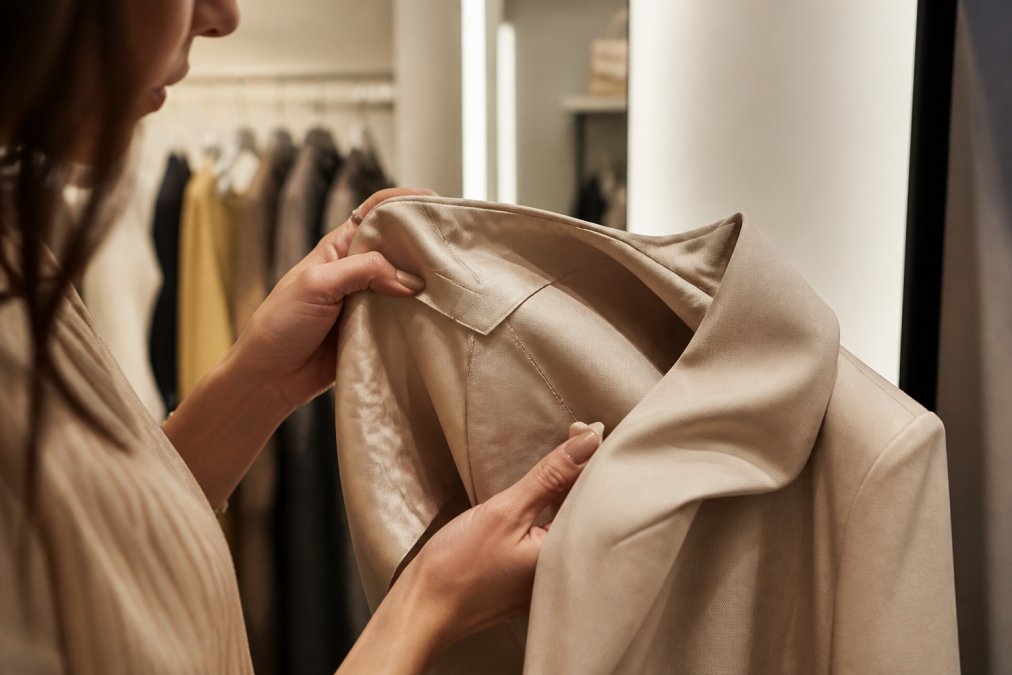
High-quality clothing reveals itself through fabric composition, construction details, and finishings long before you check the price tag. Learning to assess these markers is the single most valuable skill for budget-conscious luxury shopping.
Reading Fabric Composition Labels
Natural fibers like cotton, wool, silk, linen, and cashmere form the foundation of premium garments. Synthetic blends often reduce cost but compromise drape and longevity. Check the percentage breakdown: a garment labeled "wool blend" might contain mostly polyester. Higher natural fiber content generally means better breathability and shape retention. Understanding fabric composition is essential for evaluating price-to-quality ratio. Federal Trade Commission textile labeling requirements mandates that fiber content be disclosed on labels, giving you the information needed to make informed decisions.
Seams, Linings, and Hardware: The Construction Checklist
Inspect these details before buying:
- Seams: Look for clean, tight stitching without loose threads or puckering
- Linings: Quality pieces use full linings in natural or breathable fabrics, not partial synthetic ones
- Buttons and zippers: Metal or horn buttons and smooth-gliding zippers signal higher quality construction
- Hems: Even, invisible stitching indicates careful finishing
Best Quiet Luxury Brands Under $200 to Shop in 2026
Rather than chasing a single label, the smarter budget move is to learn the categories of retailers where quiet luxury quality shows up under $200, then apply the fabric and construction tests from the section above at each one. Here is how the landscape breaks down.
Direct-to-Consumer and Elevated Basics Labels
A growing cohort of direct-to-consumer brands sells logo-free, neutral-palette pieces in the $60-$200 range by cutting out wholesale markups. Look for labels that publish fabric composition and garment weight on the product page, that transparency is itself a quality signal.
Mass Retailers With Genuine Quality Tiers
Several mainstream retailers run premium sub-lines that use higher natural-fiber content than their base collections. The trick is to shop the sub-line, not the parent brand. Check the fiber percentage on the tag before you check the price, a 100% cotton poplin shirt at a mass retailer can outperform a "designer" polyester blend at three times the cost.
Off-Price and Outlet Channels
Off-price retailers (the kind that buy excess inventory from premium labels) can surface quiet luxury pieces at 40-70% off retail. The catch: inventory is unpredictable and sizing is limited. Go in with a specific list, a navy blazer, a cream knit, dark trousers, rather than browsing, or you will leave with trend pieces you did not need.
How to Vet a Brand Before You Buy
Run this five-point check on any new label:
- Fiber disclosure, Is the exact percentage listed, or does it say "wool blend" with no breakdown?
- Construction photos, Do product images show seams, linings, and buttons up close?
- Return policy, Can you return worn-but-unwashed items? Quiet luxury shopping requires trying fit.
- Restock pattern, Brands that restock the same classic cuts season after season are signaling timeless design, not trend-chasing.
- Care instructions, A brand that tells you how to maintain the garment expects it to last.
Federal Trade Commission guidance on textile and wool product labeling requires accurate fiber content disclosure, so a vague label is a red flag you can act on.
Key Takeaway
The brand name matters far less than the fiber percentage, the construction, and the return policy.
Capsule Wardrobe Essentials for Women Building a Quiet Luxury Rotation
A capsule wardrobe essentials for women approach starts with 10 versatile pieces that mix and match across seasons. This strategy maximizes cost-per-wear and reduces decision fatigue.
The 10-Piece Starter Capsule
- Tailored blazer in a neutral tone
- Crisp white button-down shirt
- High-quality cashmere or wool sweater
- Well-fitted dark trousers
- Straight-leg dark denim
- Silk or satin midi skirt
- Classic trench coat
- Leather loafers or minimal sneakers
- Structured leather handbag
- Monochromatic knit dress
These wardrobe staples form the backbone of a refined style that works for both professional and casual settings.
Tailoring and Fit: The Cheapest Way to Look Expensive
Tailoring is the most overlooked strategy for achieving a high-end look on a budget. A moderately priced garment that fits perfectly outperforms an expensive piece that hangs poorly. Hemming trousers, taking in waistlines, and adjusting sleeve lengths typically cost far less than buying designer. Focus on silhouette: shoulders should sit correctly, and seams should align with your natural waist. A common mistake is buying oversized pieces hoping to "grow into" them. In practice, well-fitted clothing always reads as more expensive. Consumer reports on garment alteration costs notes that basic alterations remain one of the most cost-effective wardrobe investments.
Where to Shop: Resale, Sample Sales, and Direct-to-Consumer Labels
The resale market is the single most budget-friendly route to genuine quiet luxury, because you are buying the fabric and construction at a fraction of original retail.
Resale Platforms: What Each One Is Actually Good For
- Authenticated luxury consignment sites, Best for investment pieces (a classic trench, a structured leather bag, a cashmere coat). Expect 40-70% off original retail. Authentication is handled for you, but return windows are often short (7-14 days).
- Peer-to-peer marketplaces, Best for mid-tier labels and vintage. Prices are lower, but you are your own authenticator. Always request extra photos of tags, seams, and hardware before buying.
- Local consignment boutiques, Best for trying fit in person. Markups are higher than online, but you avoid shipping and can inspect construction directly.
- Estate sales, Best for older, higher-quality natural-fiber garments. Older pieces often predate the synthetic-blend era, so fiber content is frequently superior.
The Authentication and Quality Checklist for Resale
Before you commit to any secondhand purchase, verify:
- Fiber tag photo, Ask the seller to photograph the composition label. No tag photo, no sale.
- Hardware close-ups, Zippers should be smooth-gliding metal; buttons should be horn, corozo, or metal, not thin plastic.
- Seam and lining shots, Look for clean stitching and full linings. Puckered seams mean poor construction or prior alteration.
- Alteration history, Ask directly.
Sample Sales: Timing and Trade-offs
Direct-to-Consumer: The Middle Path
| Shopping Channel | Typical Discount | Best For | Watch Out For |
|---|---|---|---|
| Authenticated consignment | 40-70% off | Investment pieces | Short return windows |
| Peer-to-peer marketplaces | 50-80% off | Mid-tier labels, vintage | No authentication, final sales |
| Local consignment | 30-60% off | Trying fit in person | Higher markups |
| Estate sales | 70-90% off | Older natural-fiber pieces | Sizing, condition issues |
| Sample sales | 50-80% off | Seasonal staples | Final sale, limited sizes |
| Direct-to-consumer | 0% (already wholesale-priced) | Elevated basics | Fabric composition claims |
Pro Tip
Set a saved search on resale platforms for the exact piece you want, "100% cashmere crewneck, size M, neutral", rather than browsing. Saved searches surface new listings within hours and let you buy before the item is picked over.
Why Resale Is the Quiet Luxury Cheat Code
Caring for Quiet Luxury Pieces So They Last
Pro Tip
Turn knitwear inside out and use mesh bags when machine washing. This simple habit prevents pilling and preserves the drape of natural fibers.
Frequently Asked Questions
What are some affordable quiet luxury brands?
Affordable quiet luxury labels share three traits: natural fibers, restrained design, and construction that holds up after repeated wear. Look for brands that publish fabric composition details, offer tailoring guidance, and keep logos off the exterior. ETHOS CONCEPT's Atelier Line is one example, pairing limited-edition pieces with elevated basics. Check each brand's site for current pricing.
How can I spot high-quality fabrics on a budget?
Start with the label. Look for natural fibers like cotton, linen, wool, silk, or cashmere listed first, not polyester or acrylic. Then feel the fabric: it should have weight and drape, not a thin, slippery hand. Check the seams for tight, even stitching and finished edges. A garment made from quality fabric with clean construction will outlast three fast-fashion versions of the same item.
How do I build a capsule wardrobe using quiet luxury principles?
Choose a neutral palette, then pick 10 versatile pieces: a tailored blazer, two quality knit tops, straight-leg trousers, dark denim, a silk or cotton button-down, a midi skirt, a coat, and one pair of leather shoes. Each piece should work with at least three others. Track cost-per-wear instead of sticker price.
What is the difference between fast fashion and quiet luxury?
Fast fashion prioritizes speed and volume, using synthetic blends, minimal finishing, and trend-driven cuts that date quickly. Quiet luxury prioritizes fabric composition, tailoring, and a timeless aesthetic that stays wearable for years. The practical difference shows up at the wash: fast-fashion knits pill and lose shape within a season, while quality natural-fiber pieces hold their silhouette. Cost-per-wear, not upfront price, is the real measure.
Building a quiet luxury wardrobe on a budget requires patience and a sharp eye for quality. ETHOS CONCEPT makes this easier with curated collections that combine bold design and premium construction at accessible prices. Explore the Atelier Line for limited-edition pieces, enjoy free shipping on orders over $150, and start building a wardrobe that reflects your individuality. Add to cart and discover how sophisticated style becomes accessible.