

Table of Contents
- What Makes an Ethical Capsule Wardrobe Different
- How to Build an Ethical Capsule Wardrobe: Core Principles
- Capsule Wardrobe Essentials: Pieces That Work Across Outfits
- Affordable Ethical Clothing Brands Worth Your Investment
- Certified Sustainable Fashion Brands: Verifying Ethical Claims
- How to Verify Ethical and Environmental Claims
- Beyond New: Secondhand, Rental, and Resale Options
- Building Your Ethical Capsule: Personal Style Meets Sustainability
- Frequently Asked Questions
Last Updated: October 4, 2026
What Makes an Ethical Capsule Wardrobe Different
Ethical clothing brands for a capsule wardrobe offer curated collections of versatile, high-quality pieces made with environmental and social responsibility in mind.
The core difference lies in intention. Each piece is chosen not just for versatility, but for its impact: fabric composition, labor practices, brand transparency, and durability measured in years, not seasons.
The clothing industry is one of the largest polluters globally. Building an ethical capsule wardrobe supports responsible businesses and creates a wardrobe that lasts, meaning you buy less over time.
Key Takeaway
An ethical capsule wardrobe combines timeless design with transparent production practices, creating a sustainable foundation that works across multiple outfits while supporting responsible brands.
How to Build an Ethical Capsule Wardrobe: Core Principles
Start by assessing your lifestyle, color preferences, and weekly activities.
Commit to 3-4 neutral base colors (black, white, gray, navy, or beige) with 1-2 accent colors. This constraint ensures pieces work together naturally.
Prioritize quality over quantity. Invest in well-made items that fit perfectly; quality garments hold their shape, resist pilling, and develop character over time.
Research brand practices before buying. Look for certifications, transparency reports, and clear statements about labor practices and environmental commitments.
Pro Tip
Start with just 10-15 core pieces rather than trying to build a complete wardrobe at once. This prevents decision fatigue and lets you identify gaps in your actual lifestyle before expanding.
Capsule Wardrobe Essentials: Pieces That Work Across Outfits
The foundation of any ethical capsule wardrobe includes pieces that work across multiple seasons and occasions. These aren't trendy items; they're the backbone that makes everything else work.
Timeless Basics and Staple Pieces
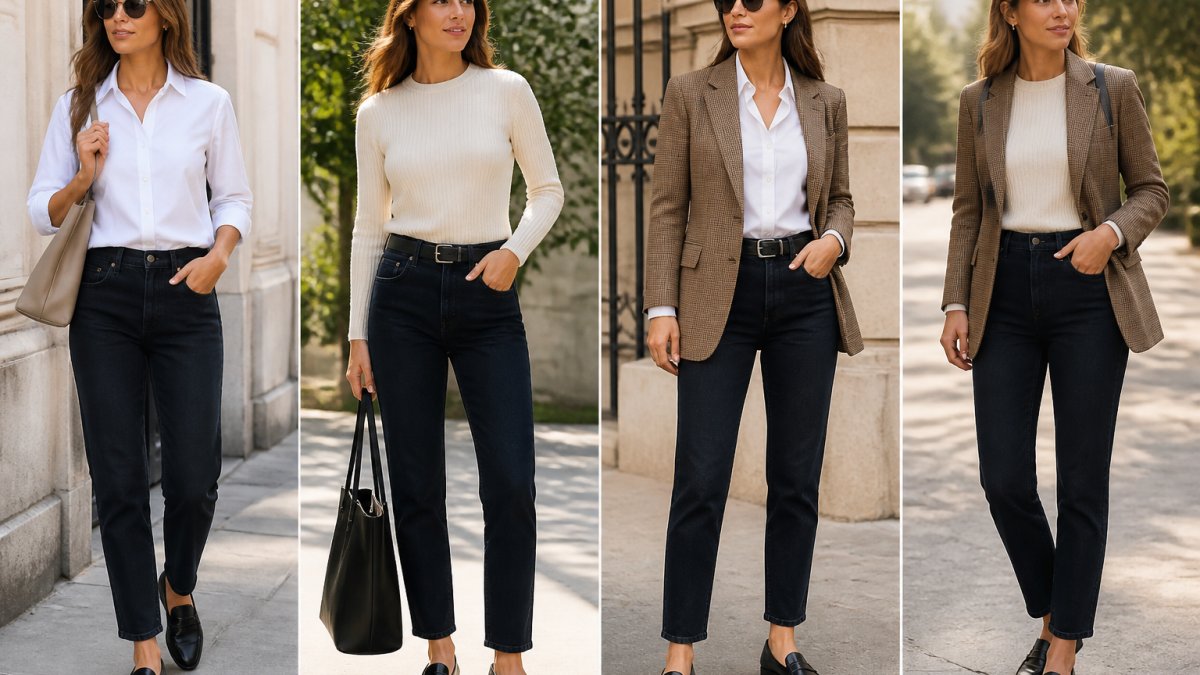
White button-up shirts, fitted t-shirts, well-cut jeans, and neutral sweaters form the foundation. A white button-up creates multiple looks worn alone, layered, or tied. Quality denim in dark wash or classic blue ages beautifully.
Neutral tailored trousers work for professional and casual settings. Choose fabrics that breathe and hold their shape.
Versatile Layers and Outerwear
A structured blazer in black or navy elevates casual pieces. A lightweight cardigan and denim jacket extend seasons. These layering pieces transform basics into intentional outfits.
For outerwear, choose a neutral coat in a durable fabric that complements your palette. A classic wool coat or a well-made puffer jacket in black, navy, or camel lasts years and works with almost everything you own.
Affordable Ethical Clothing Brands Worth Your Investment
Finding ethical clothing brands for a capsule wardrobe doesn't require spending a fortune. Below is a comparison of brands selected for ethical credentials, capsule-wardrobe suitability, and accessibility.
Selection Criteria
These brands were evaluated on four dimensions:
- Labor and Production Transparency: Publicly disclosed manufacturing locations, wage standards, or third-party labor certifications (Fair Trade, B Corp, or equivalent).
- Material Sustainability: Use of certified organic, recycled, or low-impact fabrics (Oeko-Tex, GOTS, or similar).
- Capsule Relevance: Focus on timeless basics and layering pieces rather than trend-driven items.
- Accessibility: Combination of price point, size range (XS-3XL or broader), and return policies that support gradual wardrobe building.
Organic Cotton and Natural Fiber Options
Pact
- Price Range: $25-$80 per piece
- Size Range: XS-3XL
- Key Credentials: Fair Trade Certified, GOTS certified organic cotton
- Capsule Fit: T-shirts and basics designed for durability and frequent washing.
- Trade-off: Limited color palette; best for minimalist aesthetics.
Numi
- Price Range: $60-$150 per piece
- Size Range: XS-XL
- Key Credentials: Oeko-Tex certified; transparent supplier relationships
- Capsule Fit: Silk and Tencel layering pieces. Tencel uses 99% less water than conventional viscose.
- Trade-off: Higher price; smaller size range; hand-wash recommended.
Everlane
- Price Range: $30-$120 per piece
- Size Range: XXS-XL (varies by category)
- Key Credentials: Publishes "Radical Transparency" reports showing factory locations and labor practices
- Capsule Fit: Denim, button-ups, and sweaters. "Uniform" collection targets capsule builders.
- Trade-off: Not all materials certified organic. Sizing skews smaller.
Upcycled and Recycled Fabric Brands
Christy Dawn
- Price Range: $85-$250 per piece
- Size Range: XS-XL
- Key Credentials: Upcycled deadstock and organic fabrics; B Corp certified
- Capsule Fit: Timeless dresses and tops designed for years of wear.
- Trade-off: Higher price; limited inventory; fewer basics.
Elizabeth Suzann
- Price Range: $95-$280 per piece
- Size Range: XS-2XL
- Key Credentials: Manufactured in Nashville; transparent labor practices; natural fibers
- Capsule Fit: Structured basics and linen pieces designed for longevity.
- Trade-off: Premium pricing; smaller size range; longer production timelines.
Tradlands
- Price Range: $70-$180 per piece
- Size Range: XS-XL
- Key Credentials: Fair Trade certified; worker welfare focus; transparent supply chain
- Capsule Fit: Basics and layering pieces tested for longevity.
- Trade-off: Limited size range; mid-to-premium pricing.
Reifhaus
- Price Range: $65-$200 per piece
- Size Range: XS-XL
- Key Credentials: Manufactured in Portland; direct production oversight; natural and low-impact materials
- Capsule Fit: Tailored basics and outerwear for professional and casual settings.
- Trade-off: Premium pricing; smaller size range.
Dôen
- Price Range: $80-$220 per piece
- Size Range: XS-XL
- Key Credentials: Timeless pieces; natural fibers; featured in ethical-fashion roundups
- Capsule Fit: Dresses and blouses prioritizing longevity over trend.
- Trade-off: Premium pricing; bohemian aesthetic; smaller size range.
Budget-Building Strategy
If you're building gradually, start with one or two pieces from Pact or Everlane (lowest entry price), then layer in mid-range pieces from Tradlands or Numi as budget allows. Reserve premium brands like Elizabeth Suzann or Christy Dawn for investment pieces (outerwear, structured basics) that anchor your capsule.
Pro Tip
Many ethical brands offer first-purchase discounts (10-15% off) and accept returns within 30 days. Use this window to test fit and durability before committing to a full capsule.
Certified Sustainable Fashion Brands: Verifying Ethical Claims
Not every brand claiming to be sustainable actually is. Third-party certifications provide verification that a brand meets specific environmental and social standards.
How to Verify Ethical and Environmental Claims
Greenwashing is rampant in fashion. Here's how to verify claims independently.
Understand the Major Certifications
Fair Trade Certified
- What it verifies: Fair wages, safe conditions, and grievance mechanisms.
- How to verify: Look for the logo on tags or website. Cross-check on fairtradecertified.org.
- Limitation: Covers labor but not environmental impact.
GOTS (Global Organic Textile Standard)
- What it verifies: Certified organic fabric and sustainable production.
- How to verify: Check product descriptions or contact the brand. Verify on gots.org.
- Limitation: Does not cover buttons, zippers, or dyes.
Oeko-Tex Standard 100
- What it verifies: Textiles meet strict environmental and health standards.
- How to verify: Look for the label on tags. Search oeko-tex.com using brand name or product code.
- Limitation: Verifies safety but not labor practices or water usage.
B Corp Certification
- What it verifies: High standards across environmental impact, worker treatment, and transparency. Requires annual recertification.
- How to verify: Search bcorporation.net for detailed impact scores.
- Limitation: Indicates commitment to improvement, not perfection.
Red Flags: Common Greenwashing Tactics
Single-Material Claims
- Red flag: "Made with organic cotton" without mentioning other materials or practices.
- What to do: Ask what percentage uses the sustainable material. A 100% organic cotton shirt dyed with conventional chemicals is only partially sustainable.
Vague Environmental Language
- Red flag: "Eco-friendly" or "sustainable" without specifics.
- What to do: Look for quantified commitments like "reduced water usage by 30%" or "factories use renewable energy for 60%." Specific claims are harder to fake.
No Supply Chain Transparency
- Red flag: Brand refuses to disclose manufacturing locations.
- What to do: Email the brand directly. Ethical brands respond within 48 hours with details.
Trendy Sustainability Lines
- Red flag: A fast-fashion brand launches a "sustainable" collection while maintaining conventional production elsewhere.
- What to do: Check overall practices. If 95% is conventional and 5% is labeled "eco," sustainability is marketing, not core practice.
Unverified Third-Party Claims
- Red flag: "Recommended by environmental experts" without naming the source.
- What to do: Verify independently. Check the organization's website directly.
Verification Workflow: Five Steps
Step 1: Check for Third-Party Certifications Visit the brand's website and verify logos on issuing organizations' websites.
Step 3: Assess Material Specificity Confirm exact fiber content, dyeing processes, and whether buttons, zippers, and labels are sustainable.
Step 4: Cross-Check Independent Reviews Search platforms like Good On You, Ethical Consumer, or Remake for third-party audits.
Step 5: Test the Brand's Responsiveness Email with a specific question. Ethical brands respond promptly; slow responses suggest greenwashing.
Material Trade-Offs to Understand
Organic Cotton: No synthetic pesticides; softer and more breathable. Trade-off: uses more water; certification is expensive.
Recycled Polyester: Diverts plastic from landfills; uses less energy. Trade-off: sheds microplastics; not biodegradable; quality varies.
Tencel (Lyocell): Made from sustainably sourced wood pulp; uses 99% less water than conventional viscose. Trade-off: requires hand-washing; more expensive.
Linen: Biodegradable, durable, minimal pesticides. Trade-off: water-intensive; wrinkles easily; limited colors.
Watch Out
No single material is perfect. The most sustainable garment is one you wear for years. Prioritize durability and timelessness over material purity alone.
Beyond New: Secondhand, Rental, and Resale Options
An ethical capsule wardrobe includes maximizing the life of clothing through secondhand, rental, and resale options. Platforms like Depop, Vestiaire Collective, and ThredUP let you buy quality pieces at a fraction of the original price or sell pieces you no longer wear. Rental services like Rent the Runway let you wear different pieces seasonally. Repair and alteration services extend garment life significantly, a professional tailor can adjust fit, replace zippers, or repair seams.
Building Your Ethical Capsule: Personal Style Meets Sustainability
The best ethical capsule wardrobe is one you actually wear. Start by identifying the aesthetic that makes you feel confident, minimalist, bohemian, structured, or eclectic. Build your capsule around those patterns. Invest in pieces that excite you, even if not strictly neutral.
Building an ethical capsule wardrobe takes intentionality, but the result is a collection of pieces you genuinely love that reflect your values.
| Brand | Best For | Key Feature |
|---|---|---|
| Pact | Organic cotton basics | Transparent supply chain |
| Numi | Sustainable silk and Tencel | Oeko-Tex certified |
| Everlane | Denim and essentials | Detailed transparency reports |
| Christy Dawn | Timeless upcycled pieces | Minimal, lasting design |
| Elizabeth Suzann | Conscious production | Made in Nashville |
| Tradlands | Ethical practices focus | Worker welfare priority |
| Reifhaus | Local production | Direct manufacturing oversight |
| Dôen | Versatile capsule pieces | Ethical roundup featured |
Oeko-Tex certification standards
Fair Trade certification for apparel
B Corp certification requirements for fashion brands
Frequently Asked Questions
What are the best ethical clothing brands for building a capsule wardrobe?
Top ethical clothing brands for capsule wardrobes include Pact (organic cotton basics), Numi (Oeko-Tex-certified silk and Tencel), Christy Dawn (upcycled and organic fabrics), and Everlane (transparent production and timeless pieces). ETHOS CONCEPT offers bold streetstyle pieces that blend affordability with quality craftsmanship, making sophisticated capsule pieces accessible. Each brand emphasizes durability and versatile styling, key traits that extend garment lifespan and reduce waste.
How do I know if a clothing brand is actually ethical?
Look for independent certifications like Oeko-Tex, Fair Trade, or Global Organic Textile Standard (GOTS) on product tags or brand websites. Check the brand's transparency reports or supply-chain documentation, ethical brands typically disclose where and how garments are made. Avoid vague claims like 'eco-friendly' without specifics. Verify third-party certifications rather than relying on brand-created sustainability labels. Brands that detail material sourcing, labor practices, and production locations are more trustworthy than those making broad sustainability claims.
How many pieces should an ethical capsule wardrobe contain?
A functional capsule wardrobe typically contains 25-40 core pieces that mix and match across seasons. Start with 10-15 essentials (neutral basics, versatile tops, fitted bottoms, layering pieces), then add 10-15 seasonal or accent pieces that reflect your personal style. Quality matters more than quantity, fewer, durable pieces that you wear repeatedly reduce overall consumption. Focus on timeless silhouettes and neutral colors to maximize outfit combinations while keeping your wardrobe intentional and manageable.
What fabrics are best for a sustainable capsule wardrobe?
Prioritize natural fibers like organic cotton, wool, linen, and Tencel, which are biodegradable and often produced with lower environmental impact. Organic cotton eliminates synthetic pesticides; wool is naturally durable and temperature-regulating; Tencel is made from sustainably harvested wood pulp. Oeko-Tex certification ensures fabrics meet strict environmental and safety standards. Avoid synthetic blends when possible, as they shed microplastics and persist in landfills. Durable, natural-fiber pieces last longer, reducing the need for frequent replacement.
Are ethical clothing brands more expensive than fast fashion?
Ethical brands often cost more upfront because they invest in fair wages, sustainable materials, and transparent production, costs that fast fashion avoids. However, ethical pieces typically last 2-3 times longer, lowering cost-per-wear over time. A $60 ethical shirt worn 100 times costs $0.60 per wear; a $15 fast-fashion shirt that falls apart after 20 wears costs $0.75 per wear. Affordable ethical brands like Pact and ETHOS CONCEPT bridge the gap by combining fair practices with accessible pricing, making sustainable fashion realistic for budget-conscious shoppers.